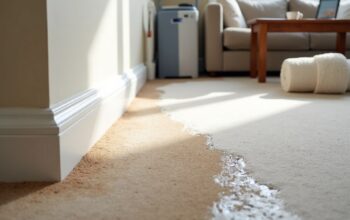
Many homeowners take on DIY projects to save money and personalise their spaces. However, without the right knowledge, these attempts can lead to costly mistakes that undermine the success of home improvement or renovation efforts. Identifying common DIY home repair mistakes can help prevent frustration and ensure better results.
Understanding the pitfalls that many encounter can be the key to achieving satisfaction with home projects. Issues such as improper measurements, neglecting safety protocols, and using incorrect materials often lead to subpar results. Those who are aware of these mistakes can approach their tasks with more confidence and clarity.
Avoiding these common errors not only saves time and money but also enhances the overall quality of home renovations. Homeowners can achieve their desired outcomes by learning from the experiences of others and implementing best practices in their DIY endeavours.
Fundamental DIY Home Repair Mistakes to Avoid
Many DIY enthusiasts face challenges during home improvement projects. Key mistakes can stem from poor planning, overlooking safety measures, and using inappropriate tools. Recognising these fundamental pitfalls is essential for a successful repair.
Neglecting Proper Planning and Research
Many individuals dive into home repairs without adequate preparation. This often leads to costly mistakes.
- Assess the Project: Before starting, it is vital to evaluate the specific requirements of the task. This includes measurements and understanding the materials needed.
- Gather Information: Researching the techniques and methods associated with the repair can prevent many common DIY mistakes.
Consulting videos, blogs, and manuals can provide clarity.
Without a solid plan, problems may escalate, causing delays and increased expenses.
Underestimating Safety Precautions
Safety should always be a top priority during any DIY home improvement project.
Many DIY enthusiasts underestimate the risks involved. Neglecting safety precautions can result in serious injuries.
- Use Protective Gear: Always wear appropriate safety equipment like goggles, gloves, and masks. This safeguards against accidents and health hazards.
- Know Emergency Procedures: It’s crucial to be prepared for emergencies, including knowing how to turn off utilities and where to seek medical help.
Being aware of one’s environment and potential hazards is essential. Without these measures, a simple task can lead to significant dangers.
Using the Wrong Tools for the Job
Selecting the right tools is critical to effective DIY repairs. Using inappropriate tools can lead to inefficient results and damage.
- Familiarise with Tools: Understanding which tools are required for specific tasks can save time and effort.
- Invest in Quality: Using quality tools ensures durability and better performance. Cheap tools can break or lead to imprecise work.
Creating a toolkit with the correct instruments for various projects reduces frustration. Utilising the right tools contributes to a more successful and satisfying DIY experience.
 Structural and Safety Errors in Home Repairs
Structural and safety errors can have dire consequences in DIY home repairs. Recognising critical aspects such as load-bearing walls and safe demolition practices is essential for preventing costly mistakes and ensuring the integrity of a home.
Ignoring Load-Bearing Walls
Load-bearing walls are crucial for supporting a building’s structure. When undertaking renovations, individuals must identify which walls bear weight. Removing or altering these walls without proper support can lead to serious structural failure.
Indicators of load-bearing walls include:
- Walls that run perpendicular to the floor joists.
- Walls are directly above or below another floor.
- Walls that support heavy fixtures or roofs.
Before beginning any project involving these walls, consulting a structural engineer or contractor is highly advisable. They can provide guidance on how to safely proceed, including recommendations for temporary supports during the renovation.
Improper Wall Demolition
Wall demolition requires careful consideration and proper technique to prevent injury and damage. Rushing through this process may result in hitting electrical wires or plumbing, leading to safety hazards.
Key precautions include:
- Turn off utilities: Ensure that all electrical and water supplies are safely disconnected.
- Use the right tools: Select appropriate demolition tools based on wall type, ensuring safety gear is worn.
- Assessing wall composition: Identify whether the wall is drywall, plaster, or something else, as this will influence the demolition approach.
Hiring a professional contractor is often the best choice for complex demolitions. They bring the experience needed to handle unexpected challenges safely and effectively.
Costly Plumbing and Electrical DIY Mistakes
DIY home repairs can lead to significant issues when tackling plumbing and electrical work. Common mistakes in these areas can result in costly consequences, including property damage and safety hazards.
Attempting Unqualified Electrical Work
Many homeowners underestimate the complexity of electrical work. Handling electrical wiring without proper qualifications can lead to serious injury or fire hazards. It’s essential to adhere to local building codes and safety standards.
Using the wrong materials, such as incorrect gauge wiring, increases the risk of overheating and electrical failure. DIY repairs might save money initially, but can lead to more extensive repairs. It’s advisable to hire a qualified electrician for complex tasks, as they possess the necessary expertise and tools to get the job done safely.
Mishandling Plumbing Projects
Plumbing issues, like leaks or pipe replacements, require careful attention. Many DIY enthusiasts make the mistake of using inappropriate materials or techniques. For instance, applying too much tape on threaded joints can cause leaks.
Ignoring the correct tools can lead to damage; a pipe wrench is essential for securing fittings. Additionally, not knowing how to isolate water supplies can cause flooding during repairs. When faced with plumbing problems, it’s wiser to consult a professional to avoid extra costs and potential water damage.
Failure to Address Water Damage and Flooding
Water damage from leaks or flooding can escalate quickly, leading to structural issues. Many homeowners attempt to fix visible damage without addressing the source. This oversight often results in recurring problems, mould growth, and increased repair costs.
Failing to dry out affected areas thoroughly can exacerbate issues. It’s crucial to assess the full extent of water damage and consider professional help for proper remediation. When major water damage incidents occur, such as burst pipes or significant flooding, homeowners might need to consider the help of professionals from Restoration 1, or similar firms.
They can help in preventing secondary damage like mold growth and structural decay, while also handling the complex drying, cleanup, and complete property restoration process. Ignoring these factors not only compromises the home’s integrity but also poses health risks to the occupants.
For many homeowners the first 24–48 hours after an incident determine whether damage becomes a short-term repair or a long-standing problem. Prompt mitigation reduces the chance of persistent damp, mold, and structural weakening. Engaging a rapid-response team that operates around the clock can speed water extraction, deploy industrial drying equipment, and document conditions for insurers.
A 24 hour water restoration team is set up for exactly these tasks. Using pros who coordinate with adjusters and provide clear remediation reports often makes claims smoother and helps prioritise repairs that prevent secondary loss. Clear communication about immediate steps also gives homeowners practical next steps while longer-term reconstruction is planned.
Specialist Repairs and Knowing When to Seek Professional Help
Home repairs can be complex, especially when they involve specialised skills or knowledge. Recognising when to attempt a DIY fix or when to call in a professional is crucial for maintaining a safe and functional home.
Overlooking the Need for Roof Repairs
Many homeowners underestimate the importance of regular roof inspections. Missing or damaged shingles, leaks, or signs of rot can lead to significant structural issues. Roof repairs are often complex and require precise knowledge of materials and installation techniques.
Regular inspections by experienced contractors often reveal issues that are easy to miss, such as failing flashings or subtle membrane deterioration. Homeowners in the region are advised to schedule checks after severe storms and at least once a year to catch problems early and avoid costly water infiltration. If you need to compare local service options or find certified installers, searching for reputable roofing companies Sylvan Lake can help you evaluate inspection practices and material recommendations suited to Alberta’s climate. Specialists can also advise whether targeted repairs or more durable solutions like metal roofing will best extend a roof’s service life.
Attempting to manage roof repairs without experience can result in further damage. Water infiltration can compromise insulation and lead to mould growth, which can pose health risks. Engaging a qualified contractor ensures the roof is serviced correctly, extending its lifespan and safeguarding the home.
Ignoring Signs of Wood Rot
Wood rot is a severe issue that can silently compromise a home’s structural integrity. It’s essential to recognise the early signs: discolouration, a spongy texture, or an earthy odour may indicate rot. Ignoring these symptoms can result in expensive repairs or replacements if not addressed promptly.
Correctly identifying and treating wood rot often requires advanced knowledge and has specific treatment protocols. DIY repairs might not only fail but could also worsen the situation. In such instances, consulting professionals who specialise in wood treatment is advisable.
Neglecting to Consult a Certified Arborist
Homeowners with trees on their property should consider the expertise of a certified arborist for tree health and safety. Signs of tree distress, such as wilting leaves or visible decay, should not be ignored. Mismanaging trees can lead to dangerous situations, especially if branches risk falling onto a home.
A certified arborist possesses the skills to diagnose tree health issues and recommend appropriate care. They can ensure the proper pruning or removal of trees is performed, mitigating potential hazards and maintaining the overall landscape quality.
Understanding Hiring a Professional Versus DIY
Determining whether to hire a professional involves weighing the complexity and risk of the project against personal skills and experience. Basic tasks like painting or minor repairs might be manageable for most homeowners. Conversely, specialised projects, such as roof repairs or significant plumbing work, likely require skilled contractors.
Hiring a professional can be beneficial for quality assurance, compliance with local building codes, and safety. It can also save time and money in the long run, as poorly executed DIY repairs can necessitate additional work. Consulting platforms like Yahoo can provide insights into local contractors and customer reviews, aiding in making sound decisions.