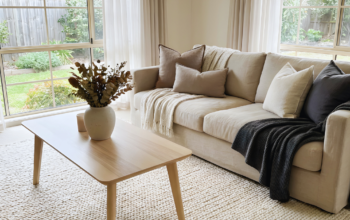
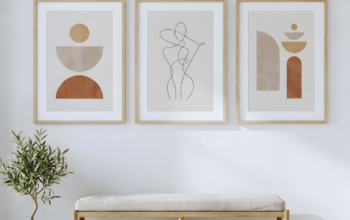
A hallway is often the first space guests encounter, making it a prime area to create a lasting impression. Designing this transitional space with intention can transform it from a simple passageway into a reflection of personal style and a welcoming introduction to the home.
Making a statement in hallway design involves focusing on key elements such as lighting, colour, artwork, and well-chosen accessories to create visual interest and enhance the space’s functionality. These features help break away from the usual bland corridor, adding personality and elevating the overall aesthetic.
Despite often being narrow or overlooked, hallways offer great potential to introduce bold colours, dynamic textures, or striking pieces that draw the eye. With careful planning, a hallway can become both stylish and inviting, setting the tone for the rest of the home.
Defining Your Hallway’s Statement
A hallway sets the tone for the rest of the home. Its design needs clear focus, harmony with the overall style, and an intentional mood created through colour and elements.
Choosing a Focal Point
A focal point anchors the hallway’s design and draws attention. This can be an artwork, a statement piece of furniture, or architectural features such as a console table or mirror.
Selecting a single, bold feature prevents visual clutter and keeps the space inviting. For narrow hallways, use vertical elements like tall mirrors or vertical lighting to emphasise height.
The focal point should fit the scale of the hallway. Oversized pieces in small spaces can feel overwhelming, while delicate features might get lost in a larger area. Placement is key—position items where they are first noticed, often opposite the entrance or along the main sightline.
Aligning With Your Home’s Style
Consistency with the home’s overall style creates a cohesive look. Whether the home is modern, traditional, or eclectic, the hallway should reflect its character through materials, shapes, and finishes.
For modern homes, sleek lines, minimalistic furniture, and neutral tones may work best. Traditional houses benefit from classic details like wooden mouldings or vintage-style lighting.
Texture and pattern should complement the existing décor elsewhere in the home. Matching metals on handles and light fixtures or choosing similar flooring materials helps to unify the spaces and enhances flow from the hallway to other rooms.
Setting the Mood With Colour
Colour sets the emotional tone in the hallway and helps to define the atmosphere guests experience immediately. Light, neutral colours like soft greys or creams open up tight spaces and feel welcoming.
Bolder colours create drama and make the hallway memorable. Deep blues or forest greens offer richness without overwhelming the senses.
Accent walls or patterned wallpaper can add interest without dominating the space. Colour coordination with accessories, such as lamps or rugs, strengthens the overall effect and underscores the intended mood, whether calm, vibrant, or elegant.
Maximising Impact With Colour and Pattern
A hallway’s design can be transformed significantly through the thoughtful use of colour and pattern. Choosing daring paint shades, dramatic wallpapers, or sharp contrasts can define the space’s mood and character, making it feel larger, warmer, or more inviting.
Bold Paint Choices
Selecting bold paint colours for a hallway injects personality immediately. Deep blues, emerald greens, or rich terracotta create a striking backdrop that commands attention. Such colours work well in narrow or compact hallways by adding intensity without overwhelming the space.
Matte or satin finishes can enhance the depth of the paint tone while reducing glare from artificial lighting. A key tip is to balance bold walls with lighter ceilings or trim to avoid making the area feel claustrophobic. This balance also highlights architectural details like mouldings or door frames effectively.
Patterned Wallpaper for Drama
Wallpaper with patterns introduces texture and visual interest, turning an ordinary hallway into an engaging area. Large-scale prints, geometric shapes, or trompe l’oeil effects are popular choices for adding drama without clutter.
Patterns should complement the scale of the hallway; smaller corridors suit subtle, fine designs, whereas wider spaces can carry bolder motifs. Wallpaper can also mimic natural elements or fabric textures, adding warmth or sophistication. Positioning patterned wallpaper on one feature wall can focus attention while maintaining harmony throughout the space.
Contrasting Tones for Depth
Using contrasting tones—such as light walls with dark floors or vice versa—creates depth and an illusion of space. This technique defines different zones and enhances the perception of volume in narrow hallways.
Contrasts can be introduced through paint, flooring, or accessories like runners and lampshades. For example, pairing pale walls with a rich, dark wood floor anchors the hallway visually and makes it feel grounded. Similarly, white trim against coloured walls frames the space and adds crisp definition. Such strategic contrasts improve both function and style.
Harnessing Lighting for Ambience
Lighting can transform a hallway by adding warmth, depth, and style. Choosing the right fixtures, combining multiple light sources, and focusing on key architectural elements all contribute to a balanced and inviting space.
Statement Lighting Fixtures
Statement lighting creates a focal point and injects personality into the hallway. Oversized pendants, chandeliers, or sculptural ceiling lights act not only as functional sources of light but also as bold design elements. Selecting a piece with a distinctive shape or finish instantly draws the eye upward, enhancing the vertical space.
Materials such as blackened metal, glass, or brass add texture and contrast to neutral walls. Opting for vintage Edison-style bulbs or modern LEDs within these fixtures can further influence the mood, offering a warm or cool glow depending on the hallway’s design.
Layered Lighting Techniques
Layering different types of lighting ensures both practicality and atmosphere. Ambient lighting, usually provided by overhead fittings like recessed spotlights or central ceiling lamps, offers general illumination. Adding task lighting, such as wall sconces or runner lights, improves visibility in specific areas.
Accent lighting brings attention to decorative elements. Combining these layers helps prevent shadows and creates a visually dynamic space. It’s important to balance brightness carefully to make the hallway feel welcoming without overwhelming it with light.
Highlighting Architectural Features
Accent lighting can enhance features such as built-in niches, archways, or textured walls. Small spotlights or LED strips subtly guide attention to these details without dominating the space.
Mirrors positioned opposite light sources amplify the effect, reflecting light and making the hallway appear larger. The strategic placement of lighting fixtures around mouldings or ceiling coving can also add dimension, emphasising craftsmanship and style with understated elegance.
Selecting Statement Furniture and Decor
Careful selection of furniture and decor can transform a hallway into a striking, memorable space. Effective choices balance standout style with functionality, ensuring each piece enhances the overall design without overwhelming it.
Choosing Eye-Catching Consoles
A console table is often the central feature in a hallway. It should be both practical and visually impactful.
Consider unique shapes or sculptural designs that draw attention immediately. Materials like polished wood, metal, or glass can add texture and sophistication. Console size must suit the hallway’s dimensions to avoid cluttering the space.
Storage options integrated into the console can provide utility without sacrificing style. Pair with minimal accessories, such as a vase or a small lamp, to keep the focus on the console’s design.
Accent Mirrors for Visual Interest
Mirrors serve dual purposes in hallways: they add decorative flair and increase perceived space and light.
Choose mirrors with distinctive frames—ornate, modern, or abstract shapes work well to create a focal point. Placement is crucial; positioning a mirror opposite a window maximises natural light reflection.
A well-chosen mirror complements other hallway elements while standing out. It should avoid competing with larger statement pieces and instead enhance the overall balance and flow of the design.
Incorporating Art and Personal Touches
Art and personal details bring individuality to a hallway, transforming it from a simple corridor to a reflective, engaging space. Strategic placement, style choice, and variety in the types of art can help express personality while enhancing the visual impact.
Gallery Walls for Personality
Creating a gallery wall allows for a curated, personalised display that reflects the homeowner’s taste and history. Mixing framed paintings, photographs, and prints in varied sizes and styles adds depth and interest.
Arranging artworks at eye level with consistent spacing helps maintain balance. Using cohesive frames or a unifying colour palette ties the display together, avoiding visual clutter.
Gallery walls also provide flexibility. Pieces can be rotated or updated to change the hallway’s look over time. Including personal photos or art made by friends and family adds emotional value and uniqueness to the space.
Showcasing Sculptures and Unique Pieces
Sculptures and distinctive objects introduce texture and dimension to a hallway setting. Placing these items on consoles, shelves, or niches highlights their physicality and turns them into focal points.
Choosing pieces that resonate personally or fit the home’s style reinforces a meaningful connection. For narrow hallways, slim or vertical sculptures prevent overcrowding while still adding interest.
Lighting plays a crucial role; spotlights or directional lamps accentuate shapes and materials, enhancing the hallway’s atmosphere. Incorporating tactile elements like ceramics, glass, or metal balances visual and physical appeal effectively.
Optimising Layout and Space
Effective hallway design balances functionality with aesthetics. Thoughtful use of measurements and furnishings creates a welcoming and practical space, regardless of size. Maximising flow and storage without clutter is essential to making a hallway stand out.
Making Narrow Hallways Feel Spacious
To visually widen narrow hallways, designers recommend using light colours on walls and ceilings. Soft pastel tones or neutral shades reflect light, reducing the feeling of confinement.
Mirrors can double perceived space by reflecting natural or artificial light. Placing a large mirror opposite a window or light source amplifies brightness and depth.
Furniture must be minimal and slimline. Floating shelves or narrow console tables avoid crowding the floor. Clear pathways of at least 90cm width allow easy movement.
Vertical elements such as tall artwork or vertical stripes draw the eye upward, increasing the sense of height. Layered lighting, combining wall sconces and recessed ceiling lights, adds dimension without bulk.
Clever Storage Solutions
Storage in hallways should be functional yet unobtrusive. Built-in cupboards with flush doors keep clutter hidden and maintain clean lines.
Hooks and slim coat racks offer immediate storage in small spaces. Using multifunctional furniture, like benches with under-seat compartments, adds both seating and organisation.
Wall-mounted shelves maximise unused vertical space, ideal for small decorative items or keys. Labelled baskets or boxes inside storage areas help keep items orderly.
Integrating storage that suits the hallway’s dimensions preserves flow and prevents overcrowding. Prioritising easy-to-access solutions increases the usability of this often-neglected space.
Using Flooring to Enhance the Hallway
Flooring plays a crucial role in defining a hallway’s character and usability. Choosing the right materials and styles can influence the perceived size, style, and durability of the space. Careful selection ensures the floor complements both traffic needs and design goals.
Striking Flooring Materials
The choice of flooring material dramatically impacts the hallway’s aesthetic and practical function. Dark hardwood or deep terracotta tiles create a rich, sophisticated atmosphere but may make smaller halls appear more confined. Conversely, lighter woods or neutral tiles increase the sense of space, especially when paired with pale walls.
Luxury vinyl tiles (LVT) with wood or slate effects offer durability while enhancing style. They withstand high foot traffic and are easier to maintain than traditional wood or stone.
Patterned tiles, such as Victorian-inspired or herringbone designs, add visual interest and depth. These can draw the eye, making the hallway feel longer or wider, contributing to a more grand entrance.
Runners and Rugs for Impact
Using runners and rugs can add texture and warmth without permanent changes. For L-shaped halls, laying two runners at right angles helps define different sections while maintaining flow.
Runners with stripes or bold patterns guide the eye along the hallway, elongating the space visually. They also protect flooring in high-traffic areas and introduce a layer of softness underfoot.
Choosing rugs that leave a consistent border around the floor maintains a clean, balanced look. Measuring carefully to allow 10–15cm of visible floor around runners ensures polish and proportion.
Adding Greenery for Freshness
Integrating greenery into hallway design instantly refreshes the space and adds natural texture. Effective choices in plant species and smart placement of containers help maintain both aesthetics and practicality.
Choosing Plants for Low Light
Hallways often have limited natural light, so selecting plants that thrive in low-light conditions is crucial. Species such as snake plants, ZZ plants, pothos, and peace lilies require minimal sunlight and tolerate shade well.
These plants also offer the benefit of easy maintenance and air-purifying qualities. It’s important to avoid foliage that needs direct sun or frequent watering to prevent plant stress.
Using a variety of leaf shapes and heights can add visual interest without overwhelming the narrow space. Regular care includes dusting leaves and monitoring moisture levels to keep plants healthy.
Arranging Planters and Vases
Planters and vases should be chosen to complement the hallway’s size and style. Slim, tall containers work well in tight spaces, while wide, shallow pots suit wider sections or console tables.
Materials like ceramic, terracotta, or matte-finish metals add texture and can tie in with existing decor. Grouping planters in odd numbers often creates a balanced look.
Placement is key to avoid obstruction. Corners, window sills, and narrow shelves are ideal spots. Hanging planters can also maximise space without cluttering floor areas. Mixing planter styles adds character, but keeping a consistent colour palette maintains cohesion.
Sustaining Your Statement Hallway
Keeping a hallway striking over time requires attention to organisation and adaptability in design. Balancing clean aesthetics with practical updates ensures the space remains functional and visually appealing.
Maintaining Clean Lines and Organisation
A statement hallway relies on a clutter-free environment to highlight design features. Using storage solutions like slimline shoe cabinets, wall hooks, or floating shelves helps keep everyday items out of sight.
Regularly clearing surfaces of keys, mail, and miscellaneous items prevents visual noise. Incorporating baskets or trays on consoles can contain smaller belongings while maintaining order.
Choosing furniture with built-in storage boosts functionality without compromising style. For example, benches with hidden compartments or multi-purpose cupboards maintain clean lines and streamline the space.
Updating Design With Seasonal Trends
Refreshing a hallway for different seasons enhances its statement quality without large-scale changes. Swapping out soft furnishings such as cushions or rugs in seasonal fabrics and colours keeps the space current.
Adding or rotating accessories like artwork, vases, or lighting creates subtle but impactful updates. For instance, warmer lighting and cosy textiles in winter contrast with cooler tones and minimalist decor during summer.
Keeping the base décor neutral allows easy layering of seasonal elements. This approach avoids costly renovations and keeps the hallway inviting throughout the year.