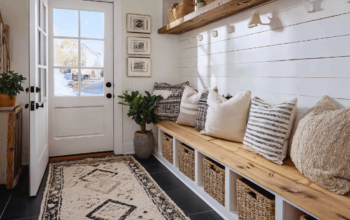
Choosing wall art that suits a space involves understanding the room’s size, style, and purpose. The right artwork balances colour, scale, and placement to complement the existing decor without overwhelming the room. Wall art should enhance the atmosphere and reflect personal taste while fitting harmoniously with the room’s dimensions and style.
Considering the mood of each room helps narrow down choices, whether a calming piece for a bedroom or a bold, dynamic work for a living area. Size matters: artwork that is too small can feel lost, while pieces that are too large may dominate the space and disrupt balance.
The selection process also includes practical factors like lighting, colour schemes, and how the art interacts with furniture and accessories. Thoughtful placement and the chosen style, whether minimalist or eclectic, contribute to a cohesive look that feels intentional and inviting.
Assessing Your Space
Selecting wall art begins with a clear understanding of the physical and aesthetic aspects of the room. Key considerations include the overall room size, specific wall measurements, and how current decor elements influence the choice.
Evaluating Room Size and Proportions
Room size dictates the scale of wall art that will feel balanced. In a large room with high ceilings, small or medium pieces may feel lost, while oversized artwork can complement the open space without overwhelming it.
Conversely, in smaller rooms, large pieces might dominate and reduce the sense of space. Multiple smaller artworks or a single medium-sized piece can create interest without crowding.
Consider the proportions, too. A long, narrow room benefits from wide, horizontal art, while a square space often suits centred, symmetrical compositions. A balance between artwork size and room dimensions is essential to maintain visual harmony.
Analysing Wall Dimensions
Measuring the wall intended for decoration is vital. The width and height available will determine the maximum size for the artwork or a grouping of pieces.
Leave some uncovered space around the art to avoid a cramped look. A good rule is to allow at least 15-30 cm of wall space around the edges. This space acts as a frame and prevents the art from appearing cluttered.
Orientation matters: vertical walls work well with tall, narrow pieces, while horizontal walls suit wider, panoramic art.
A detailed wall measurement sheet can guide selection:
|
Wall Dimension |
Suggested Art Size |
Notes |
|
Small (under 2m width) |
30-60 cm width |
Avoid large, overwhelming pieces |
|
Medium (2-4m width) |
60-120 cm width |
Allows for statement pieces |
|
Large (over 4m width) |
120 cm+ width |
Consider large-scale or grouped pieces |
Understanding Existing Décor
The current colour palette, furniture style, and room function should guide art choices. Art can either complement existing tones or provide a deliberate contrast.
For example, a room with neutral colours often benefits from wall art that introduces vibrant hues to add energy. Meanwhile, a room filled with patterned fabrics or bold colours calls for subtler artwork.
Style alignment is also important: modern, minimalist furniture pairs well with abstract or geometric art, whereas traditional rooms may suit classic or nature-inspired pieces.
Finally, consider lighting. Well-lit walls highlight artwork best; dim corners may need smaller or lighter-coloured pieces to avoid fading into shadow.
Defining Your Style Preferences
Choosing wall art begins with a clear understanding of the existing style in the room, the colour schemes in use, and the types of artwork that will best complement that setup. These factors help ensure the art enhances the space without clashing or feeling out of place.
Identifying Interior Design Themes
The first step is recognising the dominant design theme of the room. Whether it is modern minimalism, classic elegance, rustic farmhouse, or eclectic vintage, the wall art should reflect and reinforce that style. For instance, sleek abstract prints suit contemporary interiors, while detailed landscapes work better in traditional settings.
He or she should assess the furniture, materials, and overall vibe. Consistency is key; a mismatch can disrupt the flow and make the space feel disjointed. Using art reflecting the core design theme ties the room together visually and emotionally.
Considering Colour Palettes
Another important factor is the room’s colour scheme. Art can either blend with the existing palette or introduce accent tones that energise the space. Cool tones like blues and greys fit well in calming environments, while warm reds or oranges can add vibrancy.
It is best to pull at least one colour from the room into the artwork for cohesion. Avoid clashing combinations unless deliberately aiming for bold contrast. Pastels may soften a bright room, and monochromatic art works well in minimalist colours.
Selecting Art Styles That Complement
The type of art chosen should harmonise with both the style and colours. Options include photographic prints, abstract canvases, illustrations, or traditional paintings. Each style conveys a different mood and personality.
For example, black and white photography adds sophistication and subtlety, while bold abstracts contribute energy and movement. The art’s scale and frame style also influence how well it fits. Large dramatic pieces suit spacious rooms; smaller prints work better in compact areas.
Selecting the Right Art Size and Placement
Choosing the right size and placement for wall art involves measuring the wall space, understanding the furniture layout, and balancing the proportions between the artwork and its surroundings. The goal is to enhance the room’s design while ensuring the art neither overwhelms nor gets lost on the wall.
Determining Appropriate Art Scale
The scale of the artwork should correspond to the size of the wall and the furniture nearby. A common guideline is that art should cover about 60-75% of the wall space above key furniture pieces like sofas or consoles. For large walls, oversized pieces or grouped smaller artworks work well to maintain a visual balance.
Small walls or nooks suit smaller, single pieces or carefully arranged clusters. Measured against furniture, the width of wall art typically should be two-thirds to three-quarters the width of the piece below it. This avoids the artwork seeming too small or disproportionately large within the room.
Arranging Wall Art Layouts
Artwork arrangements depend on the style of the room and the pieces involved. Gallery walls provide flexibility by grouping smaller pieces in a balanced grid or a free-form cluster. Spacing between artworks should usually be 5 to 10 centimetres to ensure a coherent, organised look.
For symmetrical layouts, line up frames evenly in rows or columns. Asymmetrical layouts require an anchor piece in the centre, with smaller pieces placed around it. Consistent frame styles or colour schemes help unify a multi-piece arrangement and keep the display visually appealing.
Hanging Guidelines and Best Practices
Artworks should be hung at eye level, with the centre of the piece positioned approximately 145-150 centimetres from the floor. When hanging above furniture, maintain a 10-15 centimetre gap between the top of the furniture and the bottom of the artwork.
Use sturdy hooks and fittings appropriate for the wall material to ensure safety and stability. Consider lighting to highlight the art effectively, avoiding direct glare. Grouped pieces should be hung so the total arrangement’s centre follows the same eye-level guideline for harmony.
Choosing Art Mediums
Selecting the right medium is crucial to how wall art complements a space. Factors such as texture, durability, and style impact the overall effect. Understanding the strengths and limitations of different mediums helps match art to room conditions and design goals.
Comparing Prints, Paintings, and Photography
Prints offer versatility and affordability, allowing a wide choice of images and sizes. They work well in casual or contemporary spaces but can lack the tactile depth of original artwork. Quality varies, so choosing archival paper and inks extends lifespan.
Paintings provide texture and individuality, often creating a strong focal point. Acrylic and oil paintings resist fading but require more care in handling and placement, especially away from direct sunlight. They suit traditional and eclectic interiors best.
Photography captures realism with crisp detail and can be presented in various finishes, including matte or glossy. Large photographic prints can visually enlarge rooms and fit modern décor. Framing style influences how the photograph integrates with existing furnishings.
|
Medium |
Durability |
Style Fit |
Key Consideration |
|
Prints |
Moderate |
Casual/Modern |
Quality of materials |
|
Paintings |
High |
Traditional/Eclectic |
Texture and lighting needs |
|
Photography |
High |
Modern/Minimalist |
Frame and finish choice |
Exploring Mixed Media and Textiles
Mixed media works combine different materials like paper, paint, and found objects to add depth and complexity. They are ideal for creating unique pieces that stand out and invite closer inspection. These often need specific care due to the varied materials.
Textile art, such as tapestries and fabric panels, introduces softness and warmth to a space. They can improve acoustics and add visual interest through patterns and textures. Fabric pieces are lightweight and practical for larger wall areas, though exposure to light can cause fading.
Both mediums offer tactile elements that paint or prints alone may not provide. Choosing between them depends on the desired atmosphere and functional room needs. Their varied materials often require tailored hanging methods and environmental considerations.
Incorporating Colour and Mood
Choosing wall art involves more than matching styles; colour and mood play key roles. The right artwork can complement existing hues or introduce new emotional tones, shaping how a space feels and functions.
Harmonising with Room Colours
Art that reflects or complements a room’s colour scheme creates cohesion. For example, a living room with soft grey walls benefits from art incorporating cool blues, greys, or muted pastels to maintain calmness.
A practical approach is to select art featuring a dominant colour from the room, then add one or two accent shades for contrast. This balance prevents clashes and keeps the décor unified.
Using a colour wheel to identify complementary or analogous colours can guide choices. Complementary colours (opposites on the wheel) add energy, while analogous colours (next to each other) produce harmony.
Using Art to Influence Ambience
Colours in wall art impact emotional responses and room energy. Blues and greens encourage relaxation, making them suitable for bedrooms or quiet spaces.
In contrast, reds, oranges, and yellows evoke warmth and stimulation, ideal for kitchens or social areas.
Neutral or monochrome art has a stabilising effect, fitting minimalist or modern interiors without overwhelming the mood.
Choosing artwork with intentional colour palettes enables control over the atmosphere. For example:
- Calm: Blues, soft greens
- Energy: Bright reds, oranges
- Focus: Earth tones, muted colours
This purposeful use of colour helps tailor a space’s vibe to its function.
Personalising Your Selection
Successful wall art selection balances aesthetics with meaningful elements tied to the homeowner’s preferences. Choosing pieces that connect visually and emotionally ensures the space feels authentic and engaging. Personal interests and unique artworks play a major role in achieving this.
Reflecting Personal Interests
Art that relates to hobbies, passions, or life experiences adds depth to a room. For example, a travel enthusiast might display framed maps or photos from favourite destinations. Someone interested in music could choose prints of sheet music or portraits of influential musicians.
When selecting, consider how these pieces integrate with existing decor. Colours, themes, and scale should complement the room while showcasing individuality. Personalised choices make the space more welcoming and spark conversations.
Custom and Commissioned Art Pieces
Custom or commissioned artworks allow for complete control over design, size, and style. This can ensure the piece fits the space perfectly and reflects the owner’s vision without compromise. It’s particularly useful for irregular wall dimensions or a specific colour palette.
Artists can incorporate meaningful symbols, motifs, or stories into the work. Although custom pieces may require higher investment and lead time, they become unique focal points with personal significance, enhancing the room’s character effectively.
Framing and Presentation Options
Choosing the right frame and mounting method can significantly affect how wall art looks and fits within a space. Careful consideration of materials, colours, and techniques helps protect the artwork and complements the room’s style.
Selecting Frames to Enhance Art
Frames should suit both the artwork and the room’s décor. Wood frames offer a classic and versatile option, available in various finishes from natural to painted. Metal frames bring a modern, sleek look often suited to contemporary spaces.
The frame colour and style must not overpower the art. Neutral tones work well for detailed pieces, while bold frames can highlight minimalistic or abstract work. Size matters; a frame too wide or narrow can disrupt the artwork’s balance.
Durability is another key factor. High-quality frames protect art from environmental damage. Glass or acrylic glazing further guards against dust and UV light, preserving the piece over time.
Choosing Matting and Mounting Techniques
Matting adds a border between the artwork and frame, adding depth without distracting from the image. Choosing a mat colour that contrasts subtly with the art enhances its colours and draws the eye.
Different textures in matting, such as smooth or linen finishes, influence the visual effect. The width of the mat should be proportionate—too wide can overwhelm, while too narrow can feel cramped.
Mounting techniques also impact presentation. Dry mounting keeps artwork flat and secure but is less reversible. Hinged mounting allows for more flexibility and is preferable for valuable or fragile pieces. Both methods require professional help to avoid damage.
Budgeting and Sourcing Wall Art
Choosing wall art involves careful financial planning and smart sourcing to match both style and budget. Allocating a clear budget helps manage expenses while discovering unique pieces enhances the room’s character without overspending.
Setting a Budget for Art Purchases
Establishing a budget starts with evaluating how much one is willing to spend on wall art in relation to overall décor costs. Budgets can be planned monthly or annually, depending on the frequency of purchases and long-term goals.
It is advisable to prioritise quality over quantity, focusing on timeless artwork such as abstract or geometric designs that can adapt as tastes evolve. Tracking past purchases helps avoid overspending and ensures art acquisitions fit into a consistent financial plan.
Budget ranges can be flexible, but setting clear limits prevents impulse buying. It also encourages research into price brackets where desired styles and sizes are available.
Where to Find Unique Pieces
Unique art pieces are often found beyond traditional galleries. Local art fairs, online platforms, and independent artists’ websites offer diverse options that fit different budgets.
Secondhand shops and charity sales provide affordable yet original artworks, sometimes with historic or local significance. Visiting artist studios can also reveal bespoke pieces unavailable elsewhere.
Online marketplaces with filters for style, size, and price make searching efficient. Purchasing directly from artists not only supports creatives but can also secure exclusive works.
Combining multiple sources increases the chance of finding art that truly suits the space without exceeding financial limits.
Maintaining and Updating Your Wall Art
To keep wall art looking its best, regular care is essential. Dusting pieces gently with a soft cloth or brush helps prevent dirt buildup without damaging the surface. For framed art, wiping the glass and checking for any moisture or mould can preserve both the frame and the artwork.
Placement plays a role in maintenance. Avoid exposing art to direct sunlight or areas with high humidity, such as bathrooms, as these conditions can cause fading or warping over time.
When it comes to updating, refreshing wall art periodically can enhance the room’s atmosphere. Changing pieces based on seasons, personal taste, or evolving décor style keeps the space feeling lively and relevant.
Simple maintenance tips include:
- Use UV-protective glass or acrylic for framed artwork
- Rotate displays to reduce exposure to light in one area
- Handle pieces carefully to avoid scratches or creases
Reasons to update wall art:
|
Reason |
Benefit |
|
Seasonal changes |
Reflects current mood |
|
Personal growth |
Matches evolving style |
|
Trends and design updates |
Keeps space contemporary |
By combining proper care and thoughtful rotation, wall art remains a valuable and attractive element in any interior.