Keeping a home in top condition year-round requires consistent attention to key maintenance tasks that preserve its value, safety, and comfort. Regular inspections, timely repairs, and seasonal checks help prevent costly damage and improve energy efficiency, making the home more comfortable throughout the year. By staying proactive and following a straightforward maintenance routine, homeowners can avoid many common issues and enjoy peace of mind.
Simple actions like inspecting windows for drafts, servicing heating systems, and checking roofing can significantly reduce the risk of larger problems developing. Combining routine care with occasional professional support ensures the home remains functional and secure across changing seasons. Practical, manageable steps spread through the year are essential to effective home upkeep.
Seasonal Maintenance Essentials
Maintaining a home requires attention to specific tasks during each season to prevent damage and ensure comfort. Key actions focus on cleaning, checking for wear and tear, preparing for weather changes, and protecting the property from environmental stress.
Spring Cleaning and Inspection
Spring is ideal for thorough cleaning and assessing damage caused by winter. It’s important to inspect the roof for missing or damaged tiles, clear gutters of debris, and check downpipes for blockages to prevent water damage.
Inside, servicing heating systems before warmer weather reduces unnecessary energy use. Window seals should be checked and repaired to improve insulation. Cleaning and testing smoke alarms during this time ensures safety.
Landscaping tasks like trimming overgrown plants and clearing pathways help maintain external areas. Attention to draught proofing around doors and windows can improve energy efficiency as the seasons change.
Summer Preparation Tasks
Summer calls for preparing the home for higher temperatures and increased outdoor use. Regularly inspecting and cleaning air conditioning units or fans maintains their efficiency.
Outdoor maintenance includes checking external paintwork and woodwork for peeling or cracking caused by sun exposure. Treating or repainting affected areas prevents deterioration.
It’s essential to ensure garden irrigation systems are functioning well to protect plants during dry spells. Roof inspections for loose tiles or debris should continue to avoid damage from summer storms.
Pest prevention measures become crucial, especially around waste disposal areas, to avoid infestations that thrive in warmer months.
Autumn Preventive Measures
Autumn’s focus is on preparing the home for colder, wetter weather. Clearing leaves from gutters and drains prevents blockages and water damage.
Inspecting insulation in lofts and walls ensures adequate warmth retention. It’s wise to service boilers and heating systems to guarantee efficient operation through the winter months.
Sealing gaps in doors and windows helps reduce heat loss and lowers energy bills. Checking outdoor lighting and security systems supports safety as daylight hours shorten.
Protecting outdoor furniture by storing or covering items reduces wear from rain and frost.
Winterising Your Home
Winterising involves protecting the property against extreme cold and moisture. It’s crucial to insulate exposed pipes to prevent freezing and potential bursts.
Checking the roof and masonry for cracks or loose tiles reduces the risk of leaks under snow or ice. Ensuring ventilation in attic spaces prevents condensation buildup and mould growth.
Testing carbon monoxide detectors is vital when using gas or solid fuel heating. Preparing emergency supplies, like salt for icy paths, keeps entrances safe.
Removing snow and ice from driveways promptly prevents accidents and structural stress on hard surfaces.
Routine Cleaning Strategies
A structured cleaning routine balances frequent light tasks with less frequent, intensive efforts. It also addresses clutter management to maintain an organised living space.
Daily and Weekly Tasks
Daily tasks focus on maintaining surface cleanliness and order. These include wiping kitchen counters, washing dishes, and tidying high-traffic rooms. Spot-cleaning spills immediately helps prevent stains and grime build-up.
Weekly tasks involve more thorough efforts such as vacuuming carpets, mopping floors, cleaning bathrooms, and dusting surfaces. Assign specific days for each task to create a manageable routine. For example:
|
Day |
Tasks |
|
Monday |
Vacuum living areas |
|
Wednesday |
Clean bathrooms and mirrors |
|
Friday |
Mop the kitchen and hallway |
Consistency in daily and weekly cleaning prevents overwhelming backlogs.
Deep Cleaning Schedules
Deep cleaning should occur monthly or seasonally and target less accessible areas. These include washing windows, cleaning behind appliances, and treating upholstery.
It is essential to set reminders for these tasks to avoid neglect. Deep cleaning can also cover areas like air vents, light fixtures, and grout lines. Using a schedule ensures these important jobs are not missed and maintains a top-condition home.
Hiring professional services periodically can supplement deep cleaning efforts, especially for specialised tasks.
Managing Clutter
Regular decluttering keeps spaces functional and easier to clean. It involves sorting belongings, discarding or donating unused items, and organising storage.
Designating zones for different activities and belongings improves order. For example, a dedicated area for mail or keys reduces surface clutter.
Frequent small decluttering sessions are more effective than occasional large efforts. Involving all family members encourages shared responsibility in maintaining a neat home. Using clear storage boxes or labelled containers also supports easy access and tidiness.
Home Exterior Care
Maintaining the exterior of a home requires regular attention to key areas that protect the structure and preserve its appearance. Focusing on roofing, gutters, windows, doors, and the outer surfaces ensures durability and prevents damage from weather and wear.
Roof and Gutter Maintenance
Regular roof inspections are essential to identify damaged or missing shingles, cracked tiles, or blocked flashing. These issues can lead to leaks and structural damage if not addressed promptly. Cleaning gutters at least twice a year removes debris, preventing water overflow that can damage walls and foundations.
In hot and dry climates, extreme weather conditions can cause roofing materials to degrade much faster than expected. Homeowners in these areas often need professional help to spot hidden damage before the monsoon season starts. If you live in the Southwest, hiring a qualified roofer in Phoenix Arizona and surrounding areas is a smart way to protect your property. These experts have the right tools to check for heat damage and secure loose tiles. Taking this step early prevents minor issues from turning into expensive repairs when heavy rains finally arrive.
Checking for moss and algae growth on the roof and removing it helps extend the lifespan of roofing materials. Ensuring downspouts direct water away from the house reduces erosion and damp problems around the base. Repairs should be scheduled quickly to avoid costly consequences later.
Window and Door Upkeep
Windows and doors require consistent care to maintain energy efficiency and security. Seals and weatherstripping should be checked regularly and replaced when worn to prevent drafts and moisture ingress. Cleaning frames and tracks removes dirt that can hinder operation or cause damage over time.
Hinges, locks, and handles benefit from lubrication and adjustment to ensure smooth, secure function. Wooden frames may need sanding and resealing annually to protect against rot and warping. Proper maintenance around openings also helps reduce heat loss, lowering energy costs.
Exterior Painting and Repairs
Exterior paint acts as a protective barrier against moisture, UV rays, and pests. Homes should be repainted every 5-10 years, depending on the material and local climate. Before painting, surfaces must be thoroughly cleaned, and any flaking or damaged paint must be removed.
Cracks in walls, damaged siding, or other defects should be repaired promptly to prevent further deterioration. Using weather-resistant paint and sealants increases durability. Regular inspection for damage after storms or seasonal changes allows for timely intervention and keeps the home looking well-maintained.
Plumbing and Water Systems
Maintaining plumbing and water systems requires regular inspections and timely servicing to prevent costly damage. Simple checks can identify leaks early, prevent blockages, and ensure water heaters operate efficiently. Attention to these areas helps maintain water quality and system reliability throughout the year.
Leak Detection
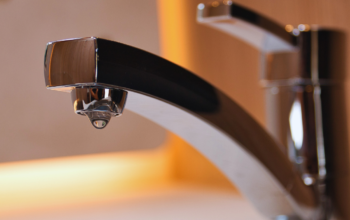
Detecting leaks early is critical to avoid water damage and high utility bills. Homeowners should regularly inspect visible pipes, especially under sinks and in basements, for damp spots, corrosion, or warping. Paying attention to unusual sounds, such as dripping or running water when taps are off, can also indicate hidden leaks.
Using a water meter can help detect leaks by monitoring water usage. Turn off all appliances and check the meter; any movement suggests a leak. Promptly addressing leaking taps, joints, and valves prevents moisture buildup that can cause mould or structural damage.
Preventing Blockages
Blockages in drains and pipes lead to slow drainage and costly repairs. To prevent this, residents should avoid pouring grease, oils, and food scraps down sinks. Using drain strainers to catch debris reduces the risk of clogging.
Regular maintenance with natural cleaning solutions, such as a baking soda and vinegar mixture, can clear minor buildups and keep drains smelling fresh. For toilets, avoid flushing non-degradable items or excessive toilet paper. Early attention to slow drains or gurgling noises can prevent full blockages.
Water Heater Servicing
Regular servicing of water heaters prolongs their lifespan and ensures safety. Flushing the tank annually removes sediment that reduces heating efficiency and causes corrosion. Checking the pressure relief valve prevents dangerous pressure buildup.
Inspecting the anode rod every few years helps prevent rust inside the tank. Thermostat settings should be verified and adjusted to around 60°C to balance energy use with safe water temperatures. Prompt repairs to leaks or unusual noises maintain both efficiency and comfort.
Electrical and Safety Checks
Regular checks are crucial for preventing hazards and ensuring all electrical systems and safety devices in the home function properly. This involves testing alarms, maintaining circuit breakers, and using appliances safely to reduce risks.
Testing Smoke and Carbon Monoxide Alarms
Smoke and carbon monoxide alarms should be tested monthly to confirm they are working correctly. Press the test button on each alarm to ensure the sound is loud and clear. Replace batteries at least once a year or when the alarm signals low power.
Alarms have a typical lifespan of 8-10 years, after which they should be replaced. Position smoke alarms on every level of the home, particularly near sleeping areas. Carbon monoxide alarms must be installed close to fuel-burning appliances, such as boilers or fires.
Regular testing helps detect fires or dangerous gas leaks early, significantly improving safety. Any alarm that fails a test or shows signs of damage must be repaired or replaced promptly without delay.
Maintaining Circuit Breakers
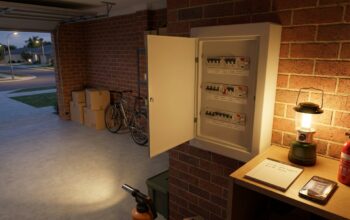
Circuit breakers serve as the main defence against electrical faults and should be inspected at least once a year. They shut off electricity automatically during overloads or short circuits, preventing potential fires and damage.
Homeowners should check that breakers reset properly after tripping. Look for signs of wear, scorch marks, or loose connections in the electrical panel. If a breaker repeatedly trips or fails to reset, a qualified electrician must be called to investigate.
Regular inspections of the entire wiring system help find hidden faults before they cause serious damage. This is especially important for older properties where the electrical systems may not meet modern safety standards. Getting a formal assessment like an EICR Westend Glasgow gives you a clear report on the condition of your installation. These checks identify overloaded circuits and other potential safety hazards in the home. Having this documentation is also a common requirement for landlords and home insurance policies.
Keeping the breaker panel clear and accessible enhances safety and makes inspections easier. Do not attempt repairs or modifications to the panel without professional expertise, as incorrect handling could cause serious injury or further risks.
Safe Appliance Usage
Using electrical appliances according to manufacturers’ instructions reduces the risk of faults and accidents. Inspect cords and plugs regularly for damage, such as fraying or exposed wires, and take damaged items out of use immediately.
Avoid overloading sockets or extension leads. It is safer to use multiple sockets rather than daisy-chaining extension leads. Appliances that emit heat should have adequate ventilation and never be left unattended when powered.
Unplug appliances when they are not in use to lower fire risks and reduce energy consumption. For older appliances or those with persistent faults, consider professional servicing or replacement to ensure continued safety.
Heating, Ventilation and Air Conditioning
Maintaining heating, ventilation, and air conditioning systems demands regular attention to keep the home comfortable and energy-efficient. Proper care involves attention to air filters, heating components, and overall air quality to prevent costly repairs and improve system performance.
Regular Filter Replacement
Regularly replacing HVAC filters is essential for consistent airflow and system efficiency. Dirty filters restrict airflow, causing the system to work harder and use more energy, which can increase running costs.
Many homeowners find that upgrading to modern climate control units makes this maintenance much simpler. For example, newer split systems melbourne families use have filters that are very easy to access and clean. These systems also run on less electricity, which helps keep power bills low during hot summers and cold winters. Regular upkeep of these units keeps the air clean and ensures they last for many years. It is a practical way to keep your home comfortable and save on energy bills.
Filters should be checked monthly and changed at least every 3 months, or more often in homes with pets or high dust levels. Using the correct filter type and size is critical to ensure proper fit and function. Consistent replacement also helps reduce dust, allergens, and pollutants indoors, improving air quality.
Servicing Boilers and Radiators
Boilers and radiators require annual servicing by a qualified engineer to maintain safety and efficiency. Servicing includes checking for leaks, inspecting controls, cleaning components, and ensuring correct pressure levels.
Radiators should be regularly bled to remove trapped air, which can cause cold spots and reduce heating effectiveness. Proper maintenance reduces the risk of breakdowns and extends equipment lifespan, preventing costly replacements.
Improving Indoor Air Quality
Indoor air quality depends on proper ventilation and regular system maintenance. Excess moisture, pollutants, and stale air can accumulate without adequate airflow, affecting health and comfort.
Use extractor fans in kitchens and bathrooms to remove excess humidity. Installing or upgrading ventilation systems can balance airtight homes and maintain fresh air circulation. Regular cleaning of ducts and vents prevents dust buildup and ensures the system functions optimally.
Pest Prevention and Control
Maintaining a pest-free home requires understanding common pests, securing potential access points, and applying treatments safely when necessary. Combining these actions helps create a resilient barrier against infestations throughout the year.
Identifying Common Household Pests
Common household pests include rodents like mice and rats, insects such as ants, cockroaches, and spiders. Each pest has distinctive behaviours and habitats. For instance, rodents typically seek shelter in hidden spaces, while ants follow scent trails to food sources.
Recognising signs such as droppings, chewed wiring, or nests helps detect infestations early. Timely identification is crucial as it enables targeted prevention measures before the problem worsens. Regular inspections in kitchens, basements, and attics can reveal pest activity.
Sealing Entry Points
Closing off gaps and cracks is the most effective physical barrier to pests. Common entry points include gaps around doors, window frames, pipe penetrations, and vents. Sealing these with materials like silicone caulk, weatherstripping, or metal mesh helps block pest access.
Regularly inspect the building’s exterior, paying attention to damaged screens and worn seals. Maintaining tight seals prevents rodents and insects from exploiting weak spots. It also reduces moisture ingress, which attracts many pests.
Safe Pest Treatments
When infestations occur, using safe pest control methods is essential to protect health and the environment. Non-toxic options include traps, baits with low-toxicity ingredients, and natural deterrents such as peppermint oil or diatomaceous earth.
Chemical treatments should be applied according to label instructions and only when necessary. Hiring a professional pest control ensures effective and safe management, especially for persistent or widespread infestations. Regular monitoring supports timely reapplication or adjustments.
Garden and Outdoor Area Maintenance
Maintaining a garden and outdoor area demands regular attention to plants, surfaces, and equipment. Effective care ensures both beauty and durability throughout the year, adapting to seasonal needs and weather changes.
Lawn and Plant Care
Regular mowing and watering are essential for a healthy lawn. Grass should be cut to an appropriate height depending on the season—shorter in summer, longer in cooler months to protect roots. Feeding the lawn with fertiliser in spring and autumn supports growth.
Plants require pruning to remove dead growth and encourage new shoots. Mulching around plants helps retain moisture and control weeds. Seasonal adjustments, such as protecting delicate flowers from frost in winter, prevent damage and promote resilience.
Monitoring for pests and diseases is crucial, using targeted treatments if needed. Maintaining soil health through aeration and composting improves root strength and nutrient uptake.
Cleaning Patios and Decking
Patios and decking benefit from regular cleaning to prevent dirt and algae buildup, which can cause slippery surfaces and structural damage. Sweeping leaves and debris frequently reduces the risk of staining.
Pressure washing is effective but should be done carefully to avoid surface damage. Using specific cleaning products formulated for wood or stone enhances results. Applying sealant or protective coatings provides an extra barrier against weather and wear.
Inspecting decking for loose boards or nails and repairing them promptly ensures safety and prolongs the lifespan. Seasonal cleaning, especially before winter, helps prevent long-term damage caused by moisture and freezing.
Garden Tool Storage
Proper storage of garden tools prevents rust and wear, extending their usability. Tools should be cleaned after each use, removing soil and plant matter. Drying tools thoroughly before storage is essential to avoid corrosion.
A dedicated, dry storage space, such as a shed or garage with organiser racks or hooks, keeps tools accessible and well-maintained. Regularly oiling metal parts reduces friction and rust.
Storing powered equipment with care, including draining fuel and checking batteries, prevents malfunctions. Seasonal tool maintenance, like sharpening blades and tightening handles, keeps equipment safe and effective.
Sustainable Home Practices
Sustainable practices in the home focus on reducing resource use and improving efficiency. These actions help lower bills and minimise environmental impact without sacrificing comfort or convenience.
Energy Efficiency Upgrades
Improving energy efficiency often starts with simple upgrades. Installing LED light bulbs reduces electricity use significantly compared to traditional bulbs. Sealing drafts around windows and doors prevents heat loss, maintaining a stable indoor temperature.
Upgrading to energy-efficient appliances, such as boilers and refrigerators with high Energy Star ratings, also lowers electricity consumption. Smart thermostats allow precise control over heating schedules, avoiding wasted energy. Regular maintenance of heating and cooling systems ensures they operate at peak performance, extending their lifespan and reducing costs.
In addition, insulating lofts and walls can considerably reduce heating demand. These measures contribute to a smaller carbon footprint while enhancing the home’s comfort throughout the year.
Water Conservation Methods
Water-saving devices like low-flow showerheads and dual-flush toilets reduce water use without impacting daily routines. Fixing leaks promptly prevents unnecessary water loss and damage to the property.
Collecting rainwater for garden irrigation is another efficient method, lowering mains water dependency. Homeowners should also consider using drought-resistant plants to decrease the need for frequent watering.
Regularly monitoring water bills and consumption patterns helps identify unusual spikes, indicating leaks or inefficient habits. Together, these practical steps conserve water and help avoid high utility bills.
Home Improvement Planning
Effective home improvement planning helps maintain a property in top condition throughout the year. It requires organising tasks by season and prioritising repairs and upgrades based on urgency and budget.
A practical approach is to create a year-round timeline listing key projects such as roof inspections, gutter clearing, and insulation checks. This keeps improvements manageable and timely.
Using a simple table can improve clarity:
|
Season |
Key Tasks |
Notes |
|
Spring |
Roof and gutter repairs |
Prepare for rain and warmth |
|
Summer |
External painting and landscaping |
Ideal dry weather |
|
Autumn |
Boiler servicing and weatherproofing |
Ready for colder months |
|
Winter |
Window sealing and pipe insulation |
Prevent heat loss and damage |
Regularly reviewing this plan ensures homeowners stay ahead of potential issues. It also enables them to allocate resources wisely, avoiding costly emergency repairs.
Homeowners should balance DIY tasks with professional help, especially for electrical or structural work. This ensures safety and standards are maintained without unnecessary expense.
A checklist or app can help track completed tasks and upcoming jobs, making home maintenance less overwhelming and more organised.