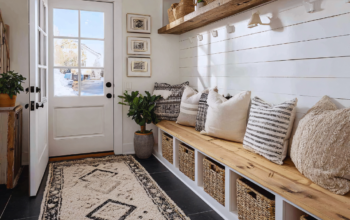
Decorating with natural light in mind requires intentional choices that enhance brightness and create a welcoming atmosphere. Using lighter paint colours, reflective surfaces like mirrors, and minimal window coverings allows daylight to flow freely and amplify the sense of space. These simple adjustments significantly improve the illumination and comfort of any room.
Furniture placement also plays a key role; arranging pieces to avoid blocking windows and opting for glass or translucent elements can help distribute light more evenly. Combining design techniques with practical lighting solutions ensures rooms feel both brighter and more inviting throughout the day.
Understanding Natural Light
Natural light varies in quality, direction, and intensity throughout the day and year. Its characteristics influence interior design choices, affecting mood, colour, and space perception. Knowing how natural light works helps create functional and comfortable living environments.
Types of Natural Light
Natural light can be categorised into direct sunlight, diffused light, and reflected light.
Direct sunlight enters a space unobstructed and creates strong shadows and highlights. It changes angle and intensity with the time of day and season.
Diffused light occurs when sunlight passes through clouds or translucent materials. It provides soft, even illumination without harsh shadows.
Reflected light bounces off surfaces like walls, floors, or neighbouring buildings, influencing brightness and warmth inside a room.
Understanding these types helps in selecting window placement, shading, and materials to balance brightness and comfort.
The Science Behind Daylight
Daylight is composed of visible and invisible wavelengths, primarily blue and red light, which influence circadian rhythms and visual perception. Its spectrum changes depending on the sun’s position.
The colour temperature of natural light shifts from warm hues (around 2000K) at sunrise and sunset to cooler tones (up to 6500K) at midday.
Light intensity is measured in lux and varies widely indoors, from dim corners at less than 100 lux to direct sunlight at over 100,000 lux.
Materials and surfaces inside a room affect how daylight is distributed by reflecting, scattering, or absorbing light energy.
How Natural Light Affects Interior Spaces
Natural light impacts colour perception, space size feel, and occupant wellbeing.
Brighter spaces with ample daylight often seem larger and more inviting. Light colours and reflective finishes amplify this effect.
Exposure to daylight enhances mood and productivity by regulating hormones linked to alertness and sleep.
Incorrect use, like excessive direct sun, can cause glare and overheating, requiring solutions such as blinds, curtains, or glazing treatments.
Balancing natural light involves strategic use of windows, architectural features, and interior materials to optimise comfort and aesthetics.
Assessing Your Space for Natural Light
Understanding how light interacts with your home begins by closely examining window features, light timings, and the direction each room faces. These aspects influence how much daylight enters, where shadows fall, and how to best position furniture and décor.
Evaluating Window Placement and Size
The location and dimensions of windows are primary factors in determining natural light levels. Larger windows in living spaces like the lounge or kitchen allow more light, brightening the room effectively. Windows on multiple walls create cross-light, reducing dark corners.
Small or high-placed windows may limit daylight, but can be complemented with mirrors or reflective surfaces. It is important to note any obstructions, such as trees or neighbouring buildings, that block light. If windows are limited, consider options like skylights or glass doors to increase exposure.
Identifying Light Patterns Throughout the Day
Natural light varies significantly from morning to evening. Observing where sunlight falls at different times can reveal the best places to position seating or workspaces. For instance, east-facing rooms get soft morning light, ideal for bedrooms or breakfast areas.
In contrast, west-facing rooms receive stronger afternoon light, which can cause glare or heat build-up, so window treatments might be necessary. Tracking light patterns over several days gives a reliable picture of light intensity and duration, helping to optimise layout and shading.
Considering Room Orientation
A room’s orientation affects both the quality and quantity of natural light. South-facing rooms typically receive the most consistent sunlight throughout the day, creating warmer and brighter spaces ideal for social areas.
North-facing rooms tend to have softer, diffused light with less direct sun, offering a cooler and calmer atmosphere suited to offices or studios. Understanding orientation allows for strategic use of materials and colours to enhance brightness or soften harsh light based on the room’s function.
Maximising Daylight in Your Home
Maximising daylight involves careful selection of window coverings, paint colours, and treatment styles. These choices significantly impact how sunlight moves through and brightens a space, enhancing both aesthetics and comfort.
Using Sheer Curtains and Blinds
Sheer curtains filter light while maintaining privacy. Their translucent fabric allows daylight to penetrate deep into rooms without harsh glare. Choosing whites or pale colours reflects more light, keeping interiors bright.
Blinds with adjustable slats offer control over light direction and intensity. Vertical or Venetian blinds can be angled to redirect sunlight upwards or diffuse it evenly. This flexibility helps maintain natural illumination throughout the day while reducing heat buildup.
Sheer curtains combined with blinds provide layered options. During the day, sheers soften light; at night, blinds can add privacy. This balance is key in rooms where natural light fluctuates or where privacy is a concern.
Selecting Light-Reflective Wall Colours
Walls painted in light, reflective colours enhance daylight’s reach. Whites and very pale neutrals work best because they bounce sunlight around a room instead of absorbing it. Semi-gloss or satin finishes increase this effect by providing a subtle sheen that reflects more light than matte paints.
Painting window recesses and sills in a semi-gloss white amplifies incoming light, acting as a secondary source of brightness. Even small areas treated this way contribute to a more luminous environment.
Colours with warm undertones, like soft creams or light beige, enhance the feeling of warmth from natural daylight without dulling the brightness. Dark or matte wall colours reduce light reflection and can make a room feel smaller and less vibrant.
Choosing Minimalist Window Treatments
Minimalist window treatments avoid obstructing daylight paths. Designs with slim profiles and simple fittings ensure maximum glass area remains exposed.
Roller blinds or sleek Roman blinds fit closely to windows and eliminate bulk that could cast shadows. When pulled up fully, they allow unobstructed light entry.
Avoid heavy drapes or layered curtains, as these absorb light and visually close off windows. Simple hardware and minimal fabric gather maintain clean sightlines and optimise natural light flow without adding clutter.
Furniture Placement for Optimal Light
Effective furniture placement can enhance natural light flow, reduce shadows, and brighten living spaces. It involves positioning pieces to avoid blocking light sources, incorporating reflective materials, and using mirrors strategically to extend sunlight further into a room.
Arranging Furniture to Avoid Blocking Windows
Placing large or tall furniture directly in front of windows can significantly reduce the amount of natural light entering a room. It is best to keep bulky items like wardrobes, bookshelves, or high-back sofas away from window areas.
Seating areas should be positioned close to windows to take advantage of daylight, creating bright and inviting spots. Low-profile furniture, such as streamlined sofas or minimalist chairs, helps maintain an unobstructed flow of light across the space.
If space is limited, consider rearranging furnishings to create open pathways for light or using furniture with open designs, like open-legged tables or chairs with slender frames, to reduce visual and physical barriers to sunlight.
Using Glass and Reflective Furniture
Furniture made of glass or with reflective surfaces can amplify natural light in a room by bouncing light rather than absorbing it. Glass coffee tables and shelves create a sense of openness while allowing light to pass through rather than blocking it.
Metallic finishes on furniture, such as chrome or brass legs and accents, reflect light and help brighten darker corners. Glossy surfaces on cabinets or tables also contribute to a lighter atmosphere by scattering sunlight.
Selecting translucent furniture materials adds both style and function, keeping the space light-filled. This approach is especially effective in smaller rooms where light distribution is critical.
Strategic Placement of Mirrors
Mirrors are a powerful tool to increase natural light by reflecting it into darker parts of a room. Positioning mirrors opposite or adjacent to windows maximises the amount of sunlight bounced around the space.
Large mirrors work best for amplifying daylight, but grouping smaller mirrors can achieve a similar effect in creative ways. Careful mirror placement can also visually expand a room, making it feel brighter and larger.
It is important to avoid placing mirrors where they reflect clutter or dark areas, as this can multiply unwanted shadows or distractions rather than improve light quality. The focus should remain on enhancing and distributing natural light evenly.
Decor Elements That Enhance Natural Light
Certain decor choices can significantly amplify the amount of natural light in a space. Surfaces that reflect light, lighter shades for floors, and airy materials all contribute to a brighter environment. These elements work together to make rooms feel more open and illuminated.
Incorporating Shiny and Glossy Surfaces
Surfaces with high reflectivity, such as polished metals, glass, and glossy paints, bounce natural light around a room efficiently. Glossy finishes on walls or furniture increase light reflection, making spaces appear larger and brighter.
Mirrors are particularly effective. Placing a large mirror opposite or adjacent to a window can double the perceived natural light. It is important to position mirrors carefully to avoid glare or dark spots.
Additionally, metallic accessories such as brass lamps or chrome fixtures provide subtle light amplification without overwhelming the decor. Choosing finishes like lacquer or semi-gloss paint for cabinetry or trim also helps to reflect light subtly without creating harsh reflections.
Opting for Light-Colour Flooring
Light-coloured flooring enhances natural light by reflecting it rather than absorbing it, which darker floors tend to do. Materials like pale oak, maple, or light-toned laminate are popular choices.
Matte or satin finishes work well because they scatter light gently, avoiding glare while maintaining brightness. Rugs and carpets in light, neutral colours complement floors and extend this effect.
Using flooring with minimal pattern or texture prevents shadows that can reduce the perception of light. Consistency in floor colour across connected rooms can further promote a sense of flow and brightness.
Choosing Lightweight Materials
Lightweight materials allow light to pass or diffuse through them, enhancing brightness. Sheer curtains made of linen or voile filter sunlight without blocking it, maintaining privacy while maximising daylight.
Furniture made from materials like rattan or acrylic contributes to an airy feel because it doesn’t visually clutter spaces or absorb light. Transparent or translucent pieces help maintain openness.
Additionally, light-coloured fabrics and upholstery reflect more light, rather than absorbing it. Combining these materials thoughtfully improves natural light distribution and creates a welcoming atmosphere.
Integrating Indoor Plants with Natural Light
Indoor plants enhance natural light by adding texture, depth, and life to interiors. Their placement and species selection depend directly on how much light the space receives. Choosing the right plants for the available light and arranging them where light is most consistent supports healthy growth and maximises their visual impact.
Selecting Plants Based on Light Needs
Plants vary widely in their light requirements, ranging from low light to full sun. For brightly lit rooms, sun-loving species such as succulents, fiddle leaf figs, and aloe vera thrive. These plants require several hours of direct or strong indirect sunlight daily.
In spaces with moderate or indirect light, consider plants like snake plants, pothos, or peace lilies. These tolerate lower light levels and prevent wilting or yellowing. For dimmer rooms, plants such as ZZ plants or cast iron plants are suitable because they survive in low light without significant stress.
Matching plant species to natural light availability reduces the need for supplemental artificial lighting and lowers maintenance efforts. It also prevents damage caused by overexposure or insufficient light.
Positioning Plants for Healthy Growth
Strategic placement of plants maximises their access to light without obstructing windows or pathways. Position taller or light-demanding plants close to windows, ideally where they receive morning or afternoon sun. Use south-facing windows for most sun-loving species in the northern hemisphere.
Avoid placing plants directly against windowpanes in extreme sunlight to prevent leaf scorch. Medium light plants perform well near north or east-facing windows with filtered sunlight. Low-light plants can be arranged in interior corners or on shelves slightly away from natural light sources.
Reflective surfaces such as mirrors or light-coloured walls nearby can increase light distribution to plants. Rotating plants periodically ensures even growth and prevents leaning towards the light source.
Balancing Artificial and Natural Light
Achieving the right balance between natural and artificial light ensures a comfortable and visually appealing space throughout the day. It involves blending various types of artificial lighting with daylight and managing light levels to create harmony.
Complementing Daylight with Layered Lighting
Layered lighting combines ambient, task, and accent lights to support natural daylight without overpowering it. Ambient lighting provides general illumination, filling in when sunlight fades. Task lighting focuses on specific areas, such as reading corners or workspaces, ensuring function after dark. Accent lighting highlights features or artwork, adding depth.
Using dimmers and adjustable fixtures helps adapt the intensity of artificial light as natural light changes. Warm LED bulbs with adjustable colour temperatures mimic daylight to maintain a consistent atmosphere. Position lights strategically to avoid glare or shadows that can compete with natural light sources like windows.
Avoiding Harsh Contrasts in Illumination
Harsh contrasts between bright natural light and artificial sources can strain the eyes and disrupt comfort. To prevent this, artificial lighting should transition smoothly with daylight rather than create stark differences.
Soft, diffused lighting materials such as frosted covers or indirect light reflectors minimise glare. Avoid placing bright lights opposite windows, where reflections may cause discomfort. A balance of layered light levels reduces sharp transitions and maintains visual comfort during the day and at night.
This careful blending supports both practical needs and the mood of the space without overpowering natural sunlight.
Controlling Glare and Privacy
Balancing natural light with visual comfort and privacy is essential in any living space. Effective solutions manage glare without darkening a room, while maintaining a sense of seclusion.
Utilising Adjustable Window Coverings
Adjustable window coverings such as blinds, shutters, and shades allow precise control over light levels. They enable occupants to reduce glare during bright periods and open fully when more sunlight is desired.
Venetian blinds and roller shades are popular options, as their slats or fabric can be tilted or raised to redirect light. This flexibility prevents harsh shadows and heat build-up, contributing to a more comfortable environment.
For even more control, motorised coverings offer programmable settings ideal for managing light throughout the day. Lightweight, sheer curtains can also be layered under heavier drapes to soften incoming sunlight while preserving privacy.
Frosted Glass and Privacy Films
Frosted glass and privacy films provide a permanent or semi-permanent solution for obscuring views without blocking natural light. They diffuse sunlight, reducing glare and protecting interior furnishings from UV damage.
These treatments are suitable for bathroom windows, street-facing rooms, or any space where privacy is a priority. Privacy films come in various patterns and opacity levels, allowing customisation to specific needs.
They can be applied directly to existing windows, making them a cost-effective alternative to replacing glass. Frosted glass also enhances design by adding a subtle texture that maintains brightness while preventing direct sightlines.
Seasonal Considerations and Adaptations
Natural light varies significantly throughout the year, influencing how spaces feel and function. Adjusting decor and managing heat and UV exposure are essential to maintain comfort and aesthetics in all seasons.
Adapting Decor for Seasonal Sunlight Changes
As daylight shifts with the seasons, so should the decor. In winter, when sunlight is low and cooler, lighter colours and reflective surfaces can help amplify available light and create a warmer atmosphere. Sheer curtains allow maximum light without sacrificing privacy.
During summer, when sunlight is stronger and lasts longer, heavier fabrics or adjustable blinds help control brightness and reduce glare. Introducing seasonal textiles, like throws or cushions in warmer or cooler tones, can complement natural light changes. Positioning mirrors opposite windows reflects light deeper into rooms year-round.
Regularly rearranging furniture to align with changing sun paths optimises daylight use, ensuring frequently used areas stay bright throughout the day.
Managing Heat and UV Exposure
Direct sunlight can cause overheating and damage to furnishings due to UV exposure. Solutions like UV-protective window films reduce harmful rays while maintaining light levels. Installing adjustable window treatments—such as venetian blinds or roller shades—allows precise control over heat and sunlight intensity.
In warmer months, using plants strategically near windows helps block harsh light and cool interior spaces naturally. Choosing upholstery and materials with fade-resistant properties prolongs furniture life. Ventilation combined with shading systems manages indoor temperature effectively, balancing light and comfort without heavy reliance on artificial cooling.
Common Decorating Mistakes to Avoid
One common mistake is blocking natural light with heavy curtains or large furniture pieces placed directly in front of windows. This reduces the amount of sunlight entering the room and makes the space feel darker.
Many try to force a small or naturally dark room to appear bright by using only light colours. Sometimes it is more effective to embrace the room’s natural light level and use darker or bolder colours to add character without fighting the existing light conditions.
Using dark, heavy materials or overly busy wallpapers can absorb light rather than reflect it. Instead, surfaces that reflect light, such as mirrors, glass, or glossy finishes, should be used strategically to enhance brightness.
Furniture placement is another frequent oversight. Poor arrangements can interrupt the flow of natural light across a room. It is better to position items to allow light to travel freely and illuminate key areas.
Poor paint choices can also hinder light reflection. Opting for matte or very dark paints in areas that receive limited sunlight may exacerbate shadowing. Light-reflective paints in soft, neutral tones generally help to maximise daylight.
Finally, ignoring the impact of lighting design can make a well-lit room feel cold or uninviting. Complementing natural light with thoughtfully chosen artificial light sources can create a balanced and warm atmosphere throughout the day and evening.