When you look at a house, it’s easy to notice the paint colour, the style of the roof, or the way the windows are shaped. But what really matters is what’s underneath—the materials that keep the whole place standing. A strong home isn’t just about looking good. It’s about lasting for years, staying safe, and holding up against daily life and all kinds of weather.
The secret to that strength comes from the building blocks used to put it together. From concrete to steel to timber, each material plays a role in keeping homes stable. And among them, timber stands out for being both reliable and versatile.
Why Timber Has Always Been a Top Choice
Timber has been used in building for thousands of years. It’s trusted because it’s strong, flexible, and easier to work with than many other materials. Builders can cut it, shape it, and join it without needing massive machines.
In modern construction, timber is still one of the most important materials. It can form the frame of a house, support heavy loads, or even be used in floors and walls. When sourced from reliable places such as WA Timber Sales, timber gives builders confidence that their projects will last. Quality timber isn’t just about appearance—it affects the strength, safety, and lifespan of the entire home.
Foundations: The First Layer of Strength
Every home starts with a foundation. Without one, the building wouldn’t be able to stay stable on the ground. Concrete is usually the material of choice here because it’s dense and can handle heavy loads. A well-made foundation spreads the weight of the house evenly, which stops it from sinking or shifting.
Even though concrete is strong, it works together with timber and other materials to create a full system. The foundation might not be seen once the house is built, but it’s the first building block that makes everything else possible.
Frames: The Skeleton of a House
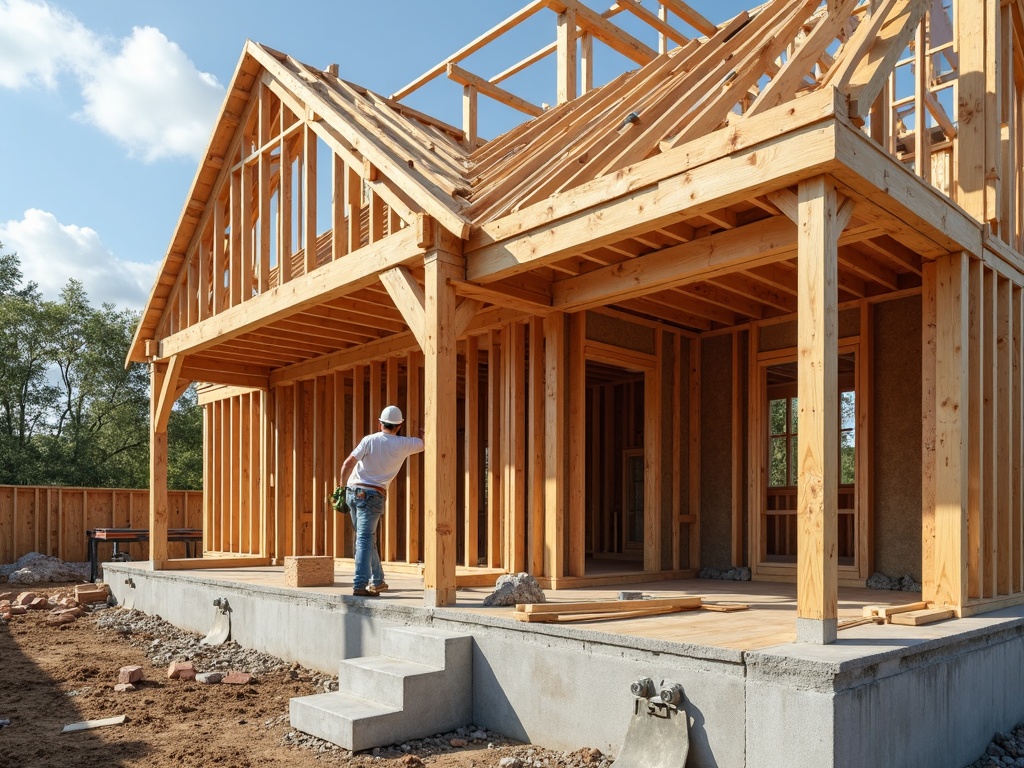
Once the foundation is set, the next step is the frame. Think of the frame as the skeleton—it gives shape and support to the house. This is where timber is usually the main material.
Timber frames are popular because they’re both strong and flexible. That flexibility matters because houses aren’t completely still. They expand and contract with changes in temperature and shift slightly with the ground. Timber can handle these small movements without cracking or breaking.
Frames also make it easier to install walls, windows, and roofing. Because timber is lightweight compared to steel, builders can put it together quickly without needing cranes or heavy equipment. This makes timber one of the most efficient building materials for residential homes.
Walls and Insulation: More Than Just Barriers
Walls aren’t just there to separate rooms or keep out the weather. They also play a big role in the strength of a home. The materials used in walls need to handle weight, resist moisture, and hold insulation in place.
Timber often forms the backbone of walls, with sheets of plaster, cladding, or brickwork covering the outside. Good insulation is added between the timber studs, which helps keep the home warm in winter and cool in summer. Together, these layers create walls that are sturdy, energy-efficient, and safe.
Roofs: Protecting Everything Below
The roof is another key part of a strong home. It doesn’t just stop rain from coming in—it also needs to handle wind, heat, and even the weight of snow in some areas.
Timber plays a big role here too. Roof trusses, which are triangular frames made from timber, spread out the weight of the roof so the walls can handle it. The roofing material—whether it’s tiles, metal sheets, or shingles—sits on top of this timber support system.
A solid roof keeps the whole structure safe. Without timber trusses, the roof wouldn’t have the strength or shape it needs to last.
Floors: The Base Inside the Home
Floors carry more than just furniture—they also carry people, movement, and sometimes even heavy appliances. They need to be strong, stable, and quiet underfoot.
Timber flooring is a common choice because it’s durable and can be repaired or refinished if it gets damaged. Underneath, timber beams support the floorboards and distribute weight evenly. This system keeps floors steady and prevents sagging over time.
In homes with multiple levels, timber joists are used between floors. These joists act like horizontal beams, holding everything in place. They may not be visible once the home is finished, but they’re essential for keeping upper levels safe.
Why Material Quality Matters
It’s not enough to just use timber, concrete, or steel. The quality of those materials makes a huge difference. Cheap or poorly sourced timber can warp, split, or weaken over time. Low-quality concrete can crack and fail under pressure.
Builders know that investing in strong, reliable materials at the start saves time and money later. It also means the home will last much longer without needing major repairs.
That’s why choosing the right suppliers matters. With timber especially, knowing where it comes from and how it’s treated ensures it will stand up to weather, pests, and years of use.
The Team Effort Behind Every Strong Home
A house doesn’t get its strength from just one material. It comes from how all the different parts work together. The concrete foundation keeps it steady on the ground, the timber frame gives it shape and flexibility, the walls add protection and insulation, and the roof covers and shields everything underneath.
Each part relies on the others to do its job properly. When the right materials are combined, the result is a home that doesn’t just stand—it lasts.
Final Thoughts
It’s easy to notice the style of a home once it’s finished—the colour of the paint, the windows, or the roof design. But the real strength comes from the materials you don’t always see. Strong foundations, timber frames, solid walls, and durable roofs all play a part in keeping a house safe.
Homes that last for decades aren’t built by luck. They’re built by making smart choices about materials that are dependable and long-lasting. With the right building blocks, a home can stay safe, strong, and ready to protect the people living inside for generations.