When water gets into a home, it does not wait around. Carpets go squishy, walls look fine but hide damp behind the paint, and a musty smell starts to creep in. The goal is simple, stop the water, get the space safe, and dry everything before mould wakes up. This guide walks through what to do, why it matters, and how to keep the place fresh again.
Why mould shows up so fast
Mould is a tiny plant that grows from spores floating in the air. Those spores land on damp surfaces and start to feed on dust, paper, wood, or fabric. Give it water and time, and it spreads. Warm rooms make it grow faster. After a leak or small flood, mould can start in a day or two. That is why quick action is key. Dry air slows it down. Moving air dries surfaces. Clean surfaces leave less food for it to eat. It is a simple race, stay ahead of the growth.
First steps, calm and safe
Before touching anything, think about safety. If there is standing water near plugs or cords, power should be off at the fuse box. If the source is a pipe or tap, turn the water off. If the leak is from outside during heavy rain, block more water from coming in. Towels, buckets, and a mop help, but do not forget shoes and gloves. Dirty water can carry germs. Keep kids and pets in a dry room.
For clear, step by step advice, many households keep Flood Emergency Services on standby in their contacts, ready for the first call when a leak starts. Having a number saved means no searching, the right steps come faster, turn off the water, stay safe around power, move items out of the wet area, and get airflow going with fans or a dehumidifier. It keeps everyone calm and helps the room dry sooner. If the leak stops but damp remains, a quick check can confirm whether to lift carpet edges or leave them to dry with steady airflow.
Getting water out, then drying the air
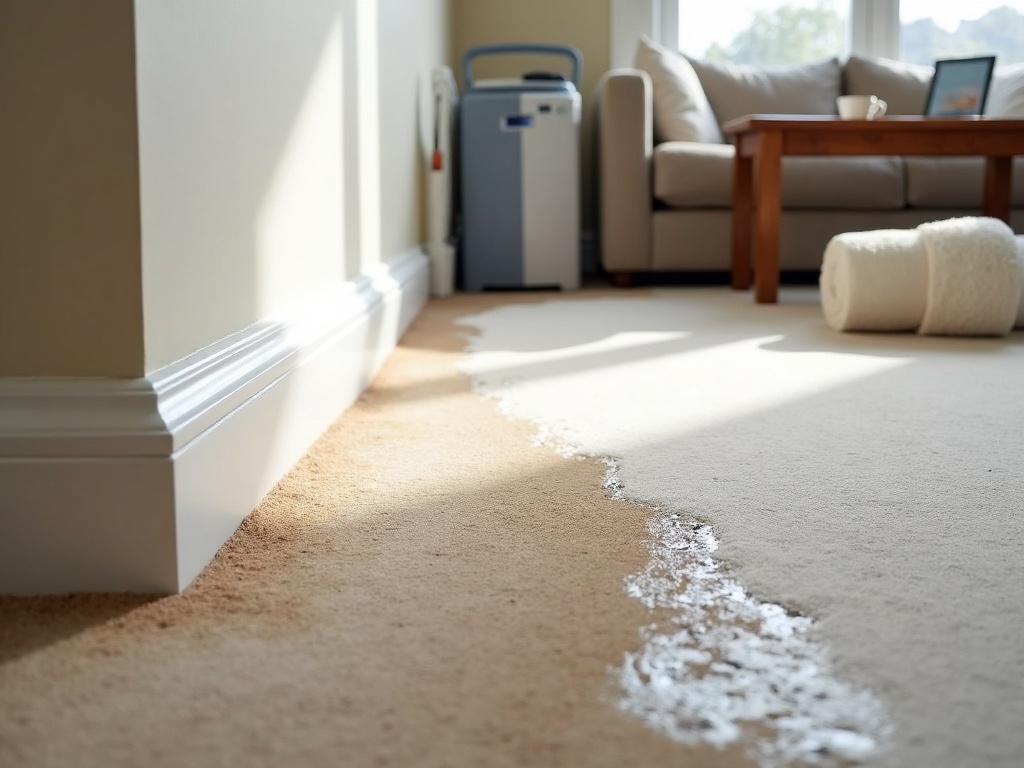
Water removal comes first. Use a wet vacuum if there is one. A dust vacuum is not safe for water. For shallow puddles, soak with towels, squeeze into a bucket, and repeat. Keep the doors or windows open if the weather is dry and not freezing. Fresh air helps more than people think. Place fans so they push air across wet floors and toward an open window or a hallway. If a dehumidifier is available, set it in the room with doors and windows mostly shut. Empty the tank often so it keeps working. Dry air pulls water out of carpets and walls.
Carpets, underlay, and when to lift them
Carpets can trap a lot of water. The surface may feel only a little damp, while the underlay, the foam pad, is soaked. Step on it, and the footprint fills with water again. If the leak was clean tap water and the carpet was wet for less than a day, there is a good chance it can be saved. Press with a towel to see how much water comes up. If the towel stays dark after a few rounds, more water is still inside.
Rolling back one edge lets air reach the pad and the floor under it. Label the trim, take a photo, and keep the pins safe. If the pad feels heavy and drips, it may need to be removed and replaced, since thick foam dries very slowly. Wood subfloors can swell, so keep the air moving and the room warm, not hot. Heat that is too high can warp timber.
If the water came from a drain or dirty source, treat the carpet as a health risk. Gloves, masks, and cleaning help, but in many cases the safest choice is to dispose of soft floor coverings that stayed wet for more than a day. No one wants hidden germs underfoot.
Walls, skirting boards, and hidden damp
Walls that “look dry” can still hold moisture inside. Plasterboard absorbs water along the bottom and feeds it upward by a few centimetres. Skirting boards block airflow, so the area behind them stays wet. Feel along the base. If the paint bubbles or the board bows, more drying is needed. Running a fan across the base of the wall helps. If moisture got into the cavity, a contractor may drill small holes behind the skirting to let air move. That sounds intense, but small holes dry better than a large cut later.
Ceilings that were wet need extra care. If a ceiling sags or drips, keep people out of that room and get an adult to check it. Water can pool above and come down fast. Once safe, poke a tiny drain hole where the bulge is lowest to release trapped water into a bucket, then set fans below and dehumidify the room.
Soft items, what can be saved
Clothes, soft toys, curtains, and cushions soak up water and hold smells. Rinse clean water through them if the source was fresh. Then wash with normal detergent and dry in sun if possible. Sunlight helps with smells. If the source was dirty water, wash on a hot cycle or use a cleaner made for germs. Items that stay damp for days can become musty and may not be worth keeping. Books and paper do not handle water well. Press with paper towels, dry with a fan, and accept that some pages will ripple. Important papers can be frozen in bags to buy time, then thawed and dried later.
Smells, stains, and what works
Musty smells come from mould releasing tiny chemicals into the air. They fade when surfaces are clean and dry. Use mild detergent and warm water on hard surfaces first, then rinse and dry. On carpets, use a carpet cleaner as soon as most of the water is out. Avoid drowning the fibres with more liquid. For stubborn odours, an enzyme spray can help break down what causes the smell. Avoid heavy perfume sprays that only hide the problem for a short time.
Bleach sounds strong, but it is not great on porous materials like timber, plasterboard, or carpet. It can fade colour and does not reach deep where mould roots sit. Save bleach for tiles and other hard, sealed surfaces, open windows for fresh air, and never mix cleaners.
Photos, notes, and who to tell
If the home is rented, tell the landlord or agent as soon as possible. Share photos of the wet areas, the source, and anything damaged. For owned homes, photos help with any insurance claim. Take wide shots of rooms, then close shots of damaged items. Keep a list with dates and a short note of what was done, for example, “turned off water at 7:10 pm, lifted carpet edge at 8:00 pm, set two fans at 8:15 pm.” Clear notes make decisions easier later.
When to call for extra help
Some jobs are bigger than a mop and a fan. Call for help if the leak keeps returning, if the water came from a sewer or a river, if walls were wet for more than a day, or if there is a strong musty smell after drying. Professionals use moisture meters to check inside walls and floors, and they have powerful fans and dehumidifiers that speed things up. They can also treat mould safely and tell when a room is truly dry. Getting help early often costs less than fixing a major mould problem later.
Keep damp away next time
Prevention saves time and money. Check sinks, baths, and washing machine hoses every few months. Look under the kitchen sink for drips or a damp patch. Clean gutters before storm season so rain flows away from the house. Make sure garden soil slopes away from walls, not toward them. In steamy rooms, open a window or run an exhaust fan during and after showers. If indoor humidity stays high, a small dehumidifier can make a big difference, especially in winter when windows stay shut.
Quick wrap-up
Water damage speeds up everything that causes trouble indoors. It feeds mould, ruins soft floors, and makes rooms smell odd. Fast action flips the script. Cut the water, keep power safe, move air across wet areas, and dry the space fully, not just on the surface. Clean before smells set in, and take photos so there is a clear record of what happened.
If this just happened, breathe, follow the simple steps, and rope in an adult for anything to do with power, ceilings, or big repairs. If it has not happened yet, set a reminder to check hoses and gutters this week. A few minutes now can save days of drying later. And if any part feels unsure, ask for help early. Dry rooms feel better, smell better, and keep everyone healthier.