Homeowners often seek effective methods to increase their property value, whether for future resale or personal satisfaction. The best way to add value to a home is through strategic renovations and improvements that appeal to potential buyers. Some essential areas to consider include the kitchen, bathroom, and outdoor spaces, as these significantly influence buyer perception.
Investing in energy efficiency also pays off. Upgrading insulation, installing double-glazed windows, or incorporating smart home technology can make a property more attractive and reduce long-term costs for homeowners. These enhancements not only improve comfort but also position the home favourably in a competitive market.
Ultimately, choosing the right improvements can enhance both the functionality and aesthetics of a home. By focusing on quality updates and maintaining regular upkeep, homeowners can ensure their property remains appealing and valuable over time.
Understanding What Adds Value to Your Home
Various factors contribute to increasing property value, including home improvements, market trends, and the right renovations. Each element plays a significant role and can distinguish a property in a competitive market.
How Home Improvements Affect Property Value
Home improvements directly impact property value. Significant renovations, such as kitchen and bathroom updates, often yield the highest returns. Upgrading appliances, cabinetry, and countertops can modernise a space and attract buyers.
Energy-efficient upgrades, like double glazing and improved insulation, can also enhance value. These improvements not only appeal to environmentally conscious buyers but may reduce utility costs, making the home more attractive.
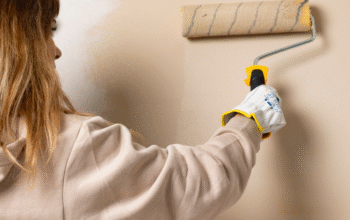
Curb appeal shouldn’t be overlooked. A well-maintained garden, fresh paint, or an updated front door can create a positive first impression and significantly increase property value. This can ensure that all your remodels, from siding to windows, are done to a high standard, thus increasing your home’s appeal and value
The Role of Market Trends and Location
Market trends significantly influence property value. The state of the housing market, whether it’s a buyers’ or sellers’ market, can dictate how much a home appreciates. Economic factors, such as interest rates, also shape buyer behaviour.
Location remains a crucial aspect. Properties in desirable areas, such as central London, often fetch higher prices. Factors like proximity to schools, transport links, and amenities can greatly enhance a home’s attractiveness.
Studying local market trends helps homeowners gauge where investments will yield the greatest returns. Being informed about the local area and future developments can shape decisions and maximise value.
Investing in the Right Renovations
Choosing the right renovations can make a significant difference. Homeowners should focus on updates that align with buyer preferences. Popular renovations include open-plan living spaces, which enhance flow and functionality.
Smart home technology integration is gaining traction. Installing systems for security, lighting, or temperature control can appeal to tech-savvy buyers and boost property value.
Investing in structural improvements, such as loft conversions or extensions, is often worthwhile in London. These upgrades increase square footage and functionality, leading to higher valuations. Prioritising renovations based on potential return on investment is key for homeowners looking to add value.
Key Home Improvements That Increase Value
Making key improvements to a home can significantly enhance its market value. Focusing on kerb appeal and expanding living space are two of the most effective strategies for homeowners looking to optimise their property.
Enhancing Kerb Appeal
Kerb appeal is the first impression a home makes, influencing potential buyers. Simple improvements in this area can yield substantial returns.
- Landscaping: Investing in professional landscaping can transform a front garden. Neat hedges, well-maintained lawns, and colourful flower beds attract attention.
- Exterior Painting: A fresh coat of paint on doors and windows can refresh a property. Using neutral colours appeals to a wider audience.
- Lighting: Installing stylish outdoor lighting not only enhances safety but also adds charm during evening hours. Solar lights or lanterns can be cost-effective solutions.
- Driveways and Pathways: Repairing or upgrading driveways and pathways increases accessibility and aesthetic value. Consider using high-quality materials for a polished look.
Adding Extra Living Space
Creating additional living space adds functionality and can significantly increase property value. Homebuyers often seek homes with ample room for their needs.
- Extensions: Building an extension, such as a conservatory or a kitchen extension, can provide extra room. This not only increases living space but also enhances the home’s usability.
- Loft Conversions: Transforming an attic into a bedroom or office is a smart move. It maximises underutilised space and creates a versatile area.
- Garden Rooms: Adding a garden room or office can appeal to remote workers. This provides a dedicated space away from the main living areas, making it attractive to many buyers.
- Basement Renovations: If applicable, converting a basement into usable space can significantly boost value. This area can serve as extra storage, a gym, or additional living quarters.
Maximising Value Through Extensions and Upgrades
Extensions and home upgrades can significantly increase property value. Strategic improvements not only enhance aesthetics but also improve functionality.
Loft Conversion and Planning Permission
A loft conversion is one of the most effective ways to add living space without expanding the property’s footprint. It can create an additional bedroom or office, appealing to families and remote workers.
Planning permission requirements vary depending on the extent of the conversion. In many cases, a loft conversion falls under permitted development, meaning it may not require formal approval. However, it’s essential to consult local regulations.
Considerations include the height, volume, and design to ensure compliance with planning regulations. Engaging with an architect or a planning consultant can simplify this process.
Building Regulations and Compliance
Regardless of planning permission, loft conversions must adhere to building regulations. These regulations ensure that safety and structural integrity are maintained.
Key areas of compliance typically include:
- Fire Safety: Adequate escape routes and smoke detection systems.
- Insulation: Meeting thermal efficiency standards.
- Structural Support: Ensuring the existing structure can support the new load.
Working with qualified builders familiar with building regulations is crucial to avoid complications and ensure the conversion is legal and safe.
Installing a Conservatory
A conservatory can enhance a property’s appeal and provide extra living space, often increasing market value. When constructing a conservatory, it’s important to consider both design and placement to ensure it complements the home. Working with experienced providers like Kingsholme can help achieve a balance between style, function, and long-term value.
Planning permission may be necessary for larger structures. Conservatories should also meet building regulations concerning energy efficiency and safety. Ensuring proper insulation and quality glazing can enhance comfort and energy performance.
By focusing on these upgrades, owners can effectively increase their home’s value while enhancing its functionality.
Modernising Indoor Spaces for Greater Appeal
Updating indoor spaces can significantly enhance a home’s appeal and value. Key areas such as bathrooms, home offices, and kitchens often provide the greatest return on investment when modernised effectively.
Renovating the Bathroom for Impact
Creating a stunning bathroom enhances both functionality and visual appeal. Key upgrades, such as replacing outdated fixtures, installing a sleek modern vanity, and incorporating energy-efficient lighting, can make a noticeable difference. For homeowners aiming to take their renovation to the next level, working with trusted professionals from companies like Long Home and similar providers ensures that every detail of the bathroom remodeling process is handled with expert craftsmanship, thoughtful design, and a strong commitment to quality.
Choosing high-quality tiles is another impactful way to elevate your bathroom’s design. Whether for flooring or wall applications, the right tile selection can add texture, color, and a sense of luxury to the space. Complementary features like walk-in showers or freestanding bathtubs not only enhance comfort but also create striking focal points that define the room’s character.
To further modernize the space, consider incorporating smart technology such as heated floors, touchless faucets, or smart mirrors with built-in lighting and defogging features. These upgrades appeal to today’s buyers who value convenience, efficiency, and modern living. When thoughtfully planned and professionally executed, a bathroom renovation doesn’t just improve your daily routine-it can also add lasting value to your home.
Creating a Functional Home Office
A dedicated home office is now essential for many homeowners. Renovating an underused space or transforming a spare room can create an efficient and inspiring workspace.
Key aspects include ergonomic furniture and ample storage solutions. Natural light is vital, so prioritise window access or appropriate lighting to enhance productivity.
Incorporating soundproofing measures can also improve focus, making the home office a sanctuary. By investing in this area, the property caters to the growing trend of remote work, attracting potential buyers who value a functional home.
Upgrading Kitchens and Living Areas
The kitchen often serves as the heart of a home. Modernising this space can involve updating appliances, installing a kitchen island, or opting for contemporary cabinetry.
Choosing durable materials that are easy to maintain will appeal to buyers. Open-plan layouts are increasingly popular, so consider removing non-structural walls to enhance flow.
In living areas, refreshing paint, optimising lighting, and incorporating modern furnishings can significantly change the atmosphere. These updates create inviting spaces that not only appeal to buyers but also enrich daily living.