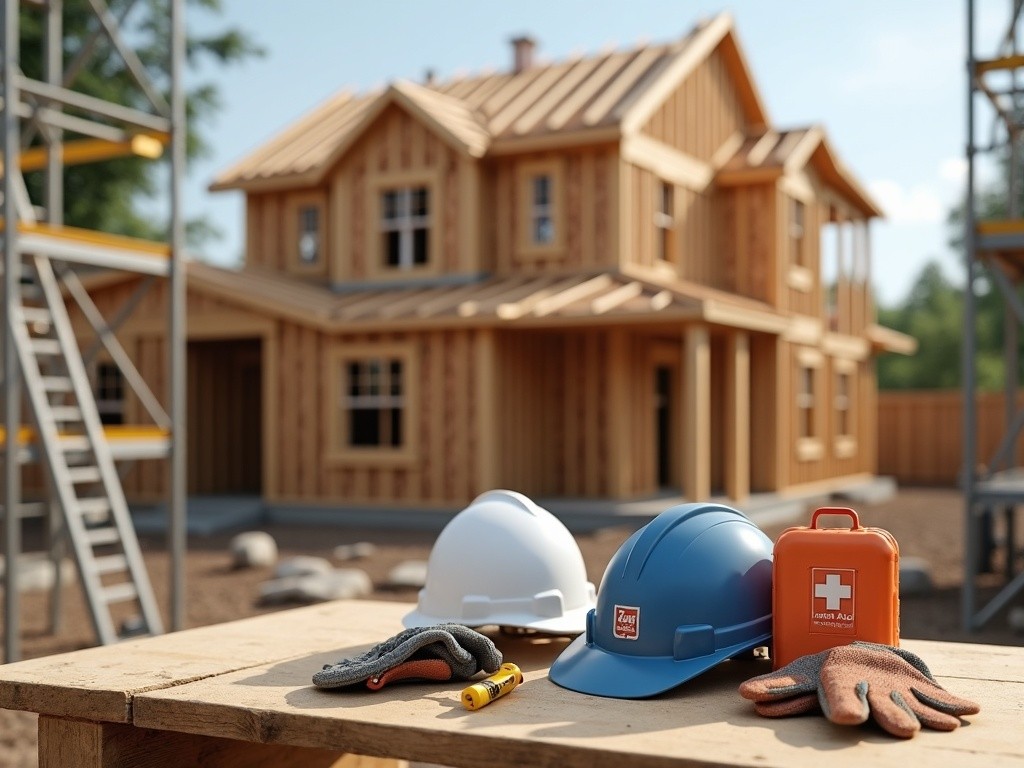
The Most Common Accidents on Residential Construction Jobs
Building homes might seem less risky than working on massive commercial projects, but residential construction sites produce their fair share of serious injuries. The smaller scale can actually create a false sense of security, and that’s where problems start. Workers on house building sites face many of the same hazards as those on larger projects, just without some of the extensive safety protocols that bigger contractors typically maintain.
The nature of residential work means crews often move between multiple sites, work with different subcontractors, and deal with constantly changing conditions. One day you’re framing in perfect weather, the next you’re working around partially completed structures in the rain. This variability contributes to accident rates that catch many workers off guard.
Falls Remain the Biggest Problem
Falls account for the majority of serious injuries on residential sites, and it’s not hard to see why. Workers spend significant time on roofs, scaffolding, and ladders throughout the building process. The residential construction environment often means working at heights without the elaborate fall protection systems you’d find on a high-rise project.
Roofing work presents particular challenges. The pitch of residential roofs varies widely, and workers often need to move around while carrying materials or tools. Weather conditions make these surfaces even more treacherous – morning dew, unexpected rain, or debris can turn a manageable roof into a sliding hazard. When someone falls from a residential roof, the injuries tend to be severe regardless of whether it’s a single-story or two-story home.
Scaffolding accidents happen frequently on residential jobs, partly because the equipment gets set up and modified throughout the project. A scaffold that’s properly secured one week might become unstable as work progresses and ground conditions change. If you’ve experienced a Construction Site Accident, understanding liability becomes crucial since multiple parties might share responsibility for scaffold safety.
Ladder falls might sound less dramatic, but they cause plenty of broken bones and head injuries. Residential construction requires constant ladder use, and the repetitive nature of the work can lead to complacency. Workers who’ve climbed the same ladder dozens of times that week might skip safety checks or overreach instead of repositioning.
Electrical Injuries During Various Construction Phases
Electrical accidents on residential sites happen more often than most people realize. During the rough-in phase, workers might contact live wires or work too close to overhead power lines. The compact nature of residential construction means electrical work often happens while other trades continue working in close proximity.
Contact with power lines during framing or roofing causes some of the most devastating injuries. When carrying long materials or operating equipment, workers might not account for nearby power lines, especially on homes built near utility infrastructure. These accidents often result in severe burns or electrocution.
Ground fault issues present another electrical hazard. Residential sites might lack the robust temporary power setups found on larger projects, leading to improper grounding or overloaded circuits. When workers use power tools in damp conditions without proper ground fault protection, they’re risking serious shock injuries.
Struck-By Accidents and Falling Objects
Getting hit by falling tools, materials, or equipment ranks high among residential construction injuries. The vertical nature of home building means work happens on multiple levels simultaneously, creating opportunities for objects to fall onto workers below.
Materials storage on residential sites can be haphazard due to limited space. Lumber, shingles, and other supplies might get stacked in ways that seem secure but become unstable as workers pull materials throughout the day. A bundle of shingles sliding off a roof can cause significant injuries to anyone working below.
Vehicle and equipment accidents also fall into this category. Delivery trucks, excavators, and other machinery operate in relatively tight spaces on residential lots. Poor communication between equipment operators and ground workers leads to backing accidents and struck-by incidents that could have been prevented with better site coordination.
Hand and Power Tool Injuries
The tools that workers use every day present constant injury risks. Circular saws, nail guns, and power drills can cause devastating injuries in a split second of inattention or equipment malfunction. Residential construction relies heavily on handheld power tools, and the repetitive nature of the work can lead to fatigue-related accidents.
Nail gun injuries have become increasingly common as pneumatic nailers have replaced manual hammering. These tools fire fasteners with tremendous force, and accidental discharge can drive nails into hands, legs, or other body parts. The injuries often require surgery and can cause permanent nerve damage.
Circular saw accidents typically involve kickback or blade contact injuries. When cutting lumber repeatedly throughout the day, workers might remove blade guards for convenience or work with dull blades that bind and kick back. The resulting lacerations can be severe, sometimes requiring amputation of fingers or partial hand reconstruction.
Overexertion and Repetitive Strain
Not all residential construction injuries happen in dramatic accidents. Overexertion injuries from lifting, carrying, and repetitive motions account for a substantial portion of workers’ compensation claims. The physical demands of home building take a cumulative toll on workers’ bodies.
Back injuries often develop gradually before reaching a crisis point. Framing crews lift heavy lumber all day, roofers carry bundles of shingles up ladders, and concrete workers manage heavy bags of mix. The repetitive lifting in awkward positions strains back muscles and can lead to disc problems that eventually require surgery.
Shoulder and knee injuries also develop from the repetitive nature of residential construction work. Carpenters who spend all day overhead installing ceiling materials put constant strain on their shoulders. Workers who kneel repeatedly while installing flooring or baseboards often develop chronic knee problems that worsen over time.
What This Means for Workers
Understanding these common accident patterns helps workers recognize hazards before injuries occur. Residential construction might feel more casual than commercial work, but the risks remain serious. When accidents do happen, getting proper medical treatment should be the first priority, followed by understanding what options exist for compensation and support during recovery.
The smaller scale of residential projects doesn’t make the injuries any less serious or the recovery any shorter. Workers who get hurt building homes face the same challenges with medical bills, lost wages, and long-term impacts on their ability to work. Knowing that many others have faced similar situations and successfully navigated the claims process can make a difficult situation feel more manageable.