Choosing the right colour scheme can dramatically affect how a small room feels. Light and neutral shades, combined with strategic pops of colour, can create the illusion of greater space without overwhelming the senses. Understanding the principles of colour can help in selecting hues that reflect light and enhance openness.
Incorporating colours such as soft whites, light greys, and pale pastels can transform cramped areas into airy retreats. Using these shades on walls, ceilings, and even furniture allows light to bounce around the space. Additionally, adding accent colours through accessories can provide character while maintaining a sense of spaciousness.
Designers often recommend avoiding dark colours in small rooms, as they can make spaces feel enclosed. By focusing on brighter, lighter palettes, individuals can create a welcoming atmosphere that feels expansive and inviting. Integrating thoughtful colour choices can turn any small room into a more enjoyable living area.
Fundamental Colour Principles for Expanding Small Rooms
Colour choice plays a crucial role in how a space feels. Specific shades and finishes can create the illusion of more room, while certain combinations can enhance airiness. Understanding these principles can help in selecting the best options for small areas.
How Colour Influences Spatial Perception
Colours can significantly affect how space is perceived. Darker shades tend to absorb light, making a room feel smaller and more enclosed. In contrast, lighter shades reflect light, generating an open and expansive feeling.
- Warm colours (like reds or yellows) can make a room feel intimate but may also create a sense of closeness.
- Cool colours (such as blues and greens) are soothing and often enhance the perception of space.
Using a monochromatic scheme can unify the colour palette, further emphasising this effect.
Best Colour Families for an Airy Feel
Certain colour families are particularly effective in creating an airy atmosphere. Light pastels and soft neutrals are ideal for achieving this effect.
- Whites and Off-whites: Excellent for reflecting natural light.
- Soft Blues and Greens: They evoke a natural feel and can visually expand a room.
- Light Greys: Provide a modern touch while maintaining an airy feel.
Incorporating these colours into the main walls or larger furniture pieces can enhance the illusion of space dramatically.
The Impact of Lighter Shades and Paint Finishes
Using lighter shades is a proven technique to make a room look bigger. Matt finishes create a subtle effect, while satin or gloss finishes can amplify light reflection even more.
- Matte Finishes: Offer a soft, sophisticated look without being too reflective.
- Satin or Gloss Finishes: These can help bounce light around the room, making it feel larger.
Combining lighter colours with reflective surfaces, such as mirrors or glass furnishings, maximises the sense of openness, creating an inviting environment in small rooms.
Popular Colour Schemes That Make Small Rooms Feel Bigger
Selecting the right colour scheme can significantly impact the perception of space in small rooms. By opting for specific hues, one can create an illusion of a larger area, enhancing both light and openness. Here are some popular choices that effectively achieve this effect.
Versatile Neutrals: Whites, Off-White, and Creamy Tones
Whites and off-whites, such as warm white or creamy white, are excellent for creating a spacious feel. These shades reflect light effectively, making rooms appear airier.
Cream and ivory add warmth, contrasting stark white while maintaining brightness. This softness can make spaces feel inviting.
Using neutral shades on walls and larger furniture ensures a cohesive look, enhancing the perception of space. Pairing these colours with lighter flooring can further amplify light reflection, contributing to an open atmosphere.
Trendy Greys, Taupes, and Soft Earthy Shades
Soft greys and taupes are modern alternatives that provide a sophisticated backdrop. These hues can cool down a small space while still retaining brightness.
Warm greys lend a sense of tranquillity, making them suitable for relaxation areas. Combining taupe with other softer, earthy tones can add depth without overwhelming the senses.
Strategically using these shades can create zones within a small room, allowing different areas to serve distinct purposes while maintaining a seamless flow.
Inviting Blues: Soft Blues, Light Blues, and Blue-Grey
Soft blues and light blues are known for their calming effects, making them perfect for compact rooms. These shades open up the space visually, promoting a serene environment.
Blue-grey is particularly effective at introducing a touch of sophistication while remaining light and airy. They can invoke the feeling of being outdoors, which is ideal for smaller areas lacking natural light.
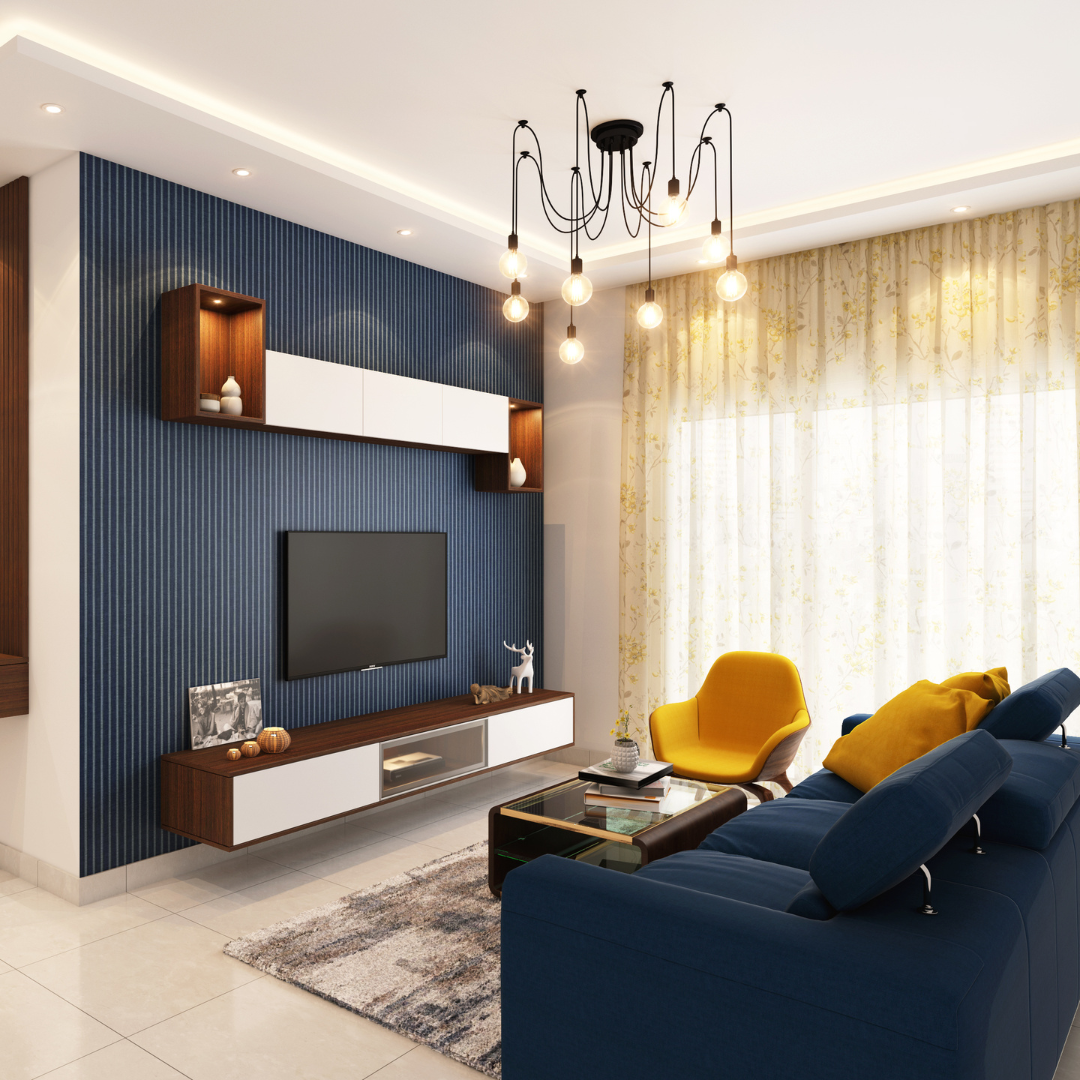
Accents of deeper blues can be added through furnishings or artwork, creating focal points without making the room feel cramped.
Using Pops of Colour and Accent Colours Strategically
Incorporating pops of colour can add personality to small rooms without sacrificing space. Accent colours, such as jewel tones, offer vibrant contrast against neutral backgrounds.
Placing these hues in accessories like cushions or artwork can draw the eye, making the room feel more dynamic.
It is vital to balance these bright colours with overall neutral palettes to ensure the small space does not feel cluttered. Creating strategically placed accents will enhance depth while maintaining openness.
Expert Design Techniques to Maximise Visual Space
Maximising visual space in small rooms requires strategic techniques that cleverly manipulate light, colour, and storage solutions. The following methods highlight effective ways to enhance the perception of space.
Harnessing Light and Mirrors for an Optical Illusion
Natural light plays a vital role in creating a sense of openness. Large windows should be utilised to invite light in, while sheer curtains allow for privacy without obstructing brightness.
Incorporating mirrors can significantly enhance this effect. Placing a mirror opposite a window reflects light and creates an illusion of depth. For best results, consider mirrored furniture or décor, which can add visual intrigue while serving functional purposes.
Using varying sizes of mirrors can also enhance dynamic beauty. Expert interior designers often recommend larger mirrors for impactful reflections and smaller mirrors for a playful touch throughout the room.
Creating a Cohesive Colour Palette for Seamless Flow
A cohesive colour palette promotes a sense of unity, making small spaces seem larger. Selecting lighter colours such as soft whites, pastels, and light greys can open up the room visually. These hues reflect light, contributing to an airy feel.
Darker accents can be used sparingly to add depth without overwhelming the space. Glossy finishes can also enhance light reflection, further contributing to visual expansion.
Lastly, employing a monochromatic colour scheme can provide a continuous flow. This technique reduces visual fragmentation and reinforces the notion of an uninterrupted space, which can be pivotal in capturing a comfortable ambience.
Incorporating Built-In Storage and Space-Saving Ideas
Effective storage solutions are crucial in small rooms. Built-in shelving or cabinets that align with walls can free up valuable floor space. This customisation allows for the efficient use of difficult corners or alcoves.
Furniture with integrated storage, such as ottomans or beds with drawers, maximises functionality without sacrificing style. These pieces are practical and assist in maintaining a decluttered environment.
Additionally, utilising vertical space with wall-mounted storage or high shelves can draw the eye upward, further enhancing the perception of height in a room. A clever organisation also enables easy access to belongings while keeping the space tidy.
Styling Small Rooms: Finishing Touches and Comfort
To maximise comfort and enhance the visual appeal of small rooms, attention to details is essential. This section highlights how layered textures, carefully chosen accessories, and thoughtful paint selections can create inviting and stylish spaces.
Enhancing Cosy Spaces with Layered Textures
Layering textures adds depth and warmth to small rooms. Textured throws on a sofa or bed introduce an element of comfort while creating visual interest. Combining various materials—such as cotton, wool, or velvet—can enhance the sensory experience.
Incorporating cushions in different shapes and sizes further enriches the aesthetic. Opt for a mix of patterns and solids to create a harmonious vibe. Rugs also play a crucial role; choosing soft, plush options can define spaces without overwhelming them.
Incorporating natural elements like woven baskets or wooden accents complements the texture theme. These choices can ground the room, making it feel both inviting and spacious.
Choosing the Right Accessories for Luxury and Comfort
Accessories are key to achieving a luxurious feel in small rooms. Opting for high-quality materials, such as brass or glass, can elevate the space. Decorative items like vases or elegant lighting fixtures make a statement without occupying much visual space.
Incorporating plants adds both beauty and comfort. They influence the room’s atmosphere positively while softening hard lines. Accessories should also serve a purpose; multifunctional items, such as stylish storage, can help maintain organisation while looking chic.
It’s wise to avoid overcrowding surfaces. Choosing a few standout pieces allows for a more curated look, creating an impression of space and sophistication.
Selecting Paint for Bedrooms and Special Settings
In small bedrooms, choosing the right colour scheme can profoundly affect the ambience. Light, neutral hues—such as soft whites, pale greys, or muted pastels—create an illusion of space. These shades reflect light, making the room feel airier.
Accent walls can introduce bolder colours or patterns without overwhelming the space. It is important to consider the function of the room when selecting colours; soft blues or greens can promote relaxation, ideal for a bedroom.
Finish type also matters. A matte finish can absorb light, while satin or semi-gloss gives a subtle sheen that can enhance brightness. Considering artificial lighting and natural light sources will also influence colour perception throughout the day.