How to Transition Your Home from Winter to Spring with a Deep Clean Routine
For a proper spring clean you need to open up, get behind, underneath and inside everything. If you can pull the ceiling down without causing structural damage, all the better. Be ready to confront some horrific sights, smells and textures. An old sock, for example, hanging in a forgotten corner and so overgrown it’s alive now. A mouse that used to be a mouse. A box of rags called the police cause there was a toe poking out.
Start At The Ceiling, Finish At The Floor
The order is more important than you think with most of the cleaning advice that is given. Because if you vacuum the floors and then dust the ceiling fans, you’ve just dusted your floors. And then it’s on to the rest of the floors. The baseboards, the furniture, all of things that are way dirtier than they would have been if you’d saved them for last.
Instead, start high. You want to start at the top and work your way down. Clean ceiling fans first, then move to the tops of cabinets, and finally get to the baseboards. The walls come next. Then sweep and mop the floors last.
One reason that the pros use microfiber cloths and dusters is because they work so well at grabbing dirt. Dusting with a cotton cloth just moves the other dirt around.
The Wet Zones Need More Than Surface Attention
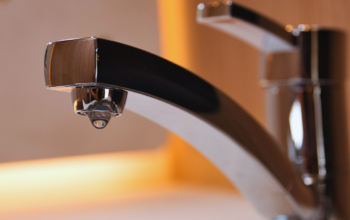
Kitchens and bathrooms are poorly ventilated in winter. Windows are closed, steam builds up, and the heat and damp create perfect conditions for mildew – usually where it’s hidden. Pull your appliances away from the wall. Is the wall marked or discolored? Can you smell that damp, moldy odor? Hard water stains on tap fittings and the glass door of the shower are other telltale signs that the place needs attention. Spray these areas with white vinegar, possibly leave for half an hour, then rub and rinse. You can use an old toothbrush to clean small details. For heavier mildew, it’s worth investing in a lime scale remover.
Appliance Sanitation Is The Step People Skip
Spring cleaning sounds great in theory, but most of us don’t get very far past the mental planning stage. The American Cleaning Institute reports that 74% of spring cleaning households actually say that "surfaces not cleaned regularly," such as ovens and baseboards, are the most important target for their cleaning, but also the tasks most likely to be put off until next weekend.
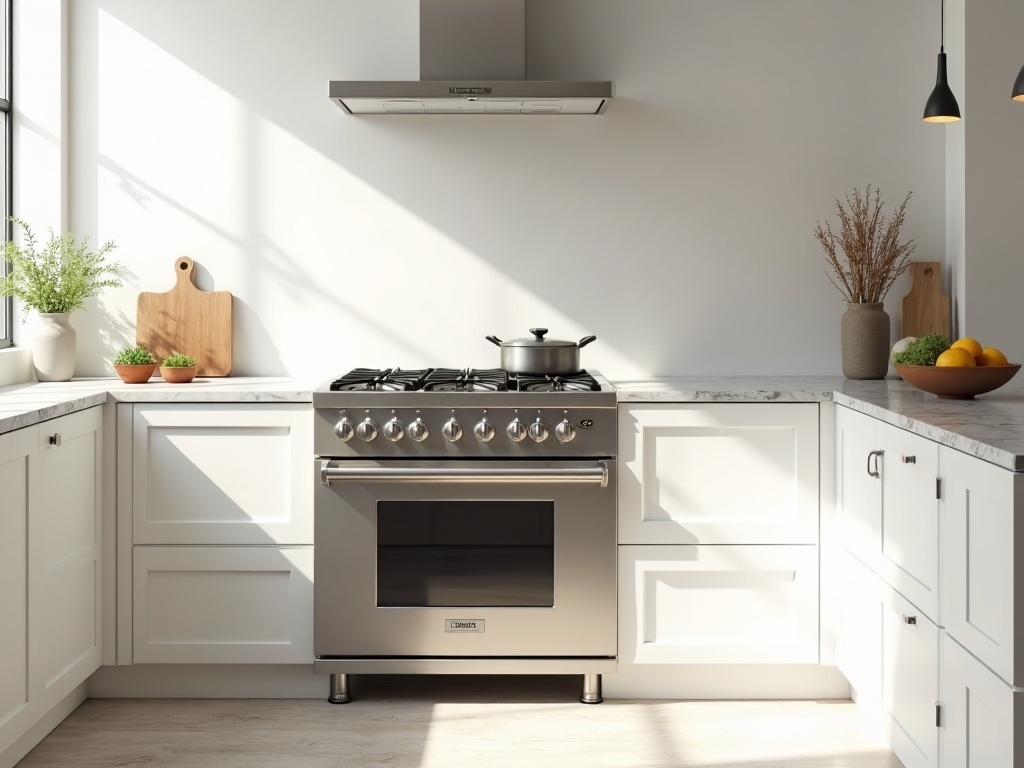
The oven is a perfect example. Winter’s cooler weather makes a cosy, warm oven such a welcome thing, but after four or five months of roasting, baking, and long braises, it’s also become a repository for carbonized grease and food residue that can’t be swiped out with a wet sponge. When the warmer weather motivates you to open the windows, those burnt-on deposits become the source of unpleasant smells wafting through the house. This is where professional help pays off. Services like ovencleaningsurrey.co.uk exist precisely because the oven is a labor-intensive job that most people either rush or avoid entirely. Wiping with a cloth isn’t sufficient to cut the grease and food resins, and a professionally cleaned oven also runs more efficiently, which matters for both energy use and cooking results.
The Air Flush
Keep windows open and fans on with good ventilation while you clean. Wear a mask and gloves while you dust, all the details are flying around in a vortex of air of your making. Clean from the highest point in the room down to the floor, so any airborne particles from dusting are removed. Then dust around the baseboards and other low surfaces, and vacuum.
Get out of the room until after vacuuming so you don’t breathe the dust you’ve just kicked up. Ideally, dusting/wiping/vacuuming would not be done for three hours after a deep cleaning job, so that you’re not just moving particles around that you have recently disturbed.
Textiles and Storage
Before you store winter rugs, throws, and heavy curtains, make sure they’re clean. Wool is particularly susceptible to moth damage in storage, and moths are attracted to soiled fabric – sweat, food residue, body oils. Send these out to be professionally cleaned before you store them away, not in six months when you take them out again.
And replace them with lighter fabrics. The mere swap-over changes how the room feels – less visually heavy, easier to clean around, better suited to the ventilation patterns of a home with open windows.
The Payoff Is More Than A Clean Home
There’s a reason a properly done spring clean feels so different to a regular tidy. When you’ve worked through the full process — top to bottom, wet zones to textiles, air flushed and appliances sorted — the home doesn’t just look cleaner, it functions better. Rooms feel larger. Smells disappear. The kind of low-level background irritation that comes from living in a space that has quietly accumulated months of grime simply lifts.
Do it right and this sort of spring cleaning isn’t about a checklist at all. It’s about genuinely resetting the home after months of being sealed against the cold – and doing it in an order that actually works.