Maintaining a clean home requires consistent effort but doesn’t demand hours of work every day. Small daily habits, applied regularly, can prevent clutter and mess from taking over living spaces. The key to a tidy home lies in simple, manageable routines like wiping surfaces, tidying as you go, and tackling laundry daily.
By breaking down cleaning into easy tasks repeated every day, the workload becomes more manageable and less overwhelming. This approach avoids the need for occasional, exhausting deep cleans and encourages a steady, stress-free rhythm. These habits also help keep each area of the home consistently fresh and organised.
Adopting these routines benefits not just the appearance of the home but also the overall environment, making it more restful and efficient. With small, deliberate actions daily, a clean home is achievable without sacrificing valuable time.
Establishing Daily Cleaning Routines
Creating effective habits requires a clear plan, focusing on consistency and targeted effort. Concentrating on specific times, key areas, and manageable tasks ensures the home remains orderly without overwhelming the person maintaining it.
Setting a Consistent Schedule
A consistent cleaning schedule helps turn chores into routine habits. Choosing specific times each day—for example, 10 minutes in the morning and 10 minutes in the evening—can make cleaning feel less like a burden.
Consistency also helps in building momentum. When cleaning becomes predictable, it’s less likely to be skipped or postponed. The schedule can be adjusted based on lifestyle, but should aim for daily repetition.
Using tools like alarms or checklist apps supports adherence. Breaking the day into short, dedicated sessions avoids prolonged cleaning marathons while maintaining steady progress.
Prioritising High-Traffic Areas
Focusing on high-traffic zones such as kitchens, hallways, and living rooms prevents dirt and clutter from spreading. These areas often accumulate mess the fastest, so daily attention keeps them manageable.
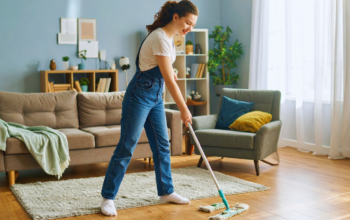
Key tasks include wiping surfaces, clearing clutter, and quickly vacuuming or sweeping floors. This practice reduces the need for intensive weekend cleaning.
He or she should assess which areas see the most use and target these first. Keeping supplies handy in these zones can speed up the process and encourage immediate action.
Allocating Time for Maintenance Tasks
Daily routines should include small maintenance tasks to prevent build-up. These include wiping down bathroom fixtures, emptying bins, and sorting laundry regularly.
A recommended approach is to assign specific tasks to particular days if daily completion isn’t practical. For example, focus on bathroom surfaces Monday to Friday, then tackle heavier cleaning at weekends.
By allocating time realistically, the routine becomes sustainable. This prevents chores from accumulating into overwhelming workloads. Consistent attention to maintenance preserves cleanliness and order continuously.
Morning Habits for a Tidy Home
Starting the day with specific tasks helps create a cleaner environment that lasts. Simple, targeted actions in key areas improve order and reduce clutter, setting a positive tone for the rest of the day.
Making the Bed Every Day
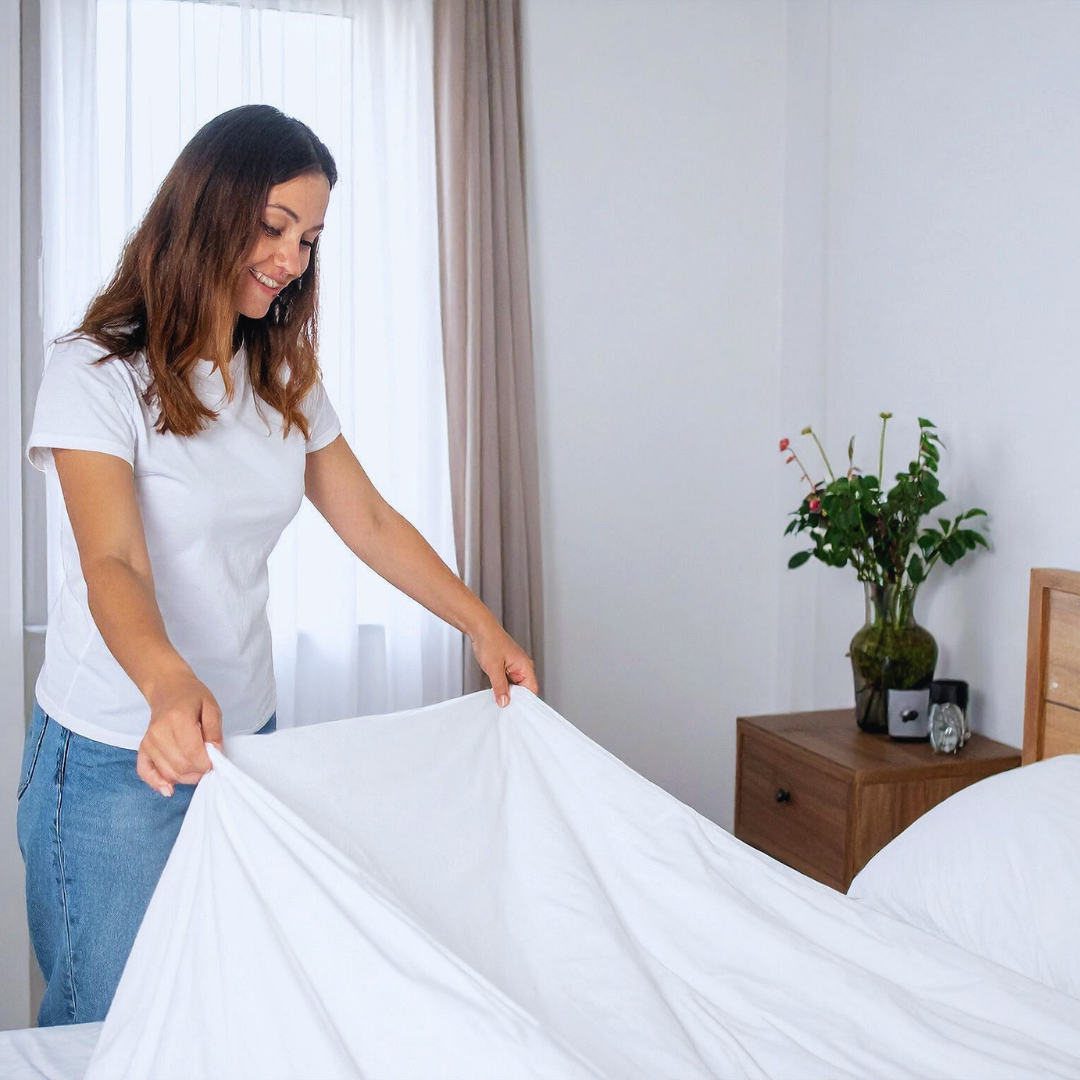
Making the bed immediately after waking up is a foundational habit for maintaining tidiness. It instantly improves the look of the bedroom and discourages the buildup of disorder. A well-made bed creates a sense of order and can provide psychological benefits, contributing to a more organised mindset.
The process should be straightforward: smooth out sheets, arrange pillows neatly, and tuck in blankets. This small action requires minimal time but has a visible impact. It also prevents linens from becoming wrinkled or tangled, which can save time during weekly cleaning.
Tidying Bedrooms and Living Areas
Bedrooms and living spaces benefit from daily decluttering that takes just a few minutes. Items like clothes, books, or mugs left out overnight should be returned to their proper places each morning. This prevents clutter from accumulating and keeps surfaces clear.
A practical approach involves going room by room, focusing on surfaces first. Clearing cushions, wiping down tables, and putting away stray items maintains a refreshed look. Setting a timer for 5 minutes can help make this habit manageable and consistent.
Refreshing the Bathroom
The bathroom often shows signs of use first thing in the morning. Wiping down sinks and counters, hanging towels properly, and clearing away personal items help keep this space clean. These actions reduce grime and prevent buildup, making weekly deep cleans easier.
It is helpful to keep cleaning supplies handy for quick touch-ups. After each use, rinsing the sink can help avoid residue from forming. Keeping this routine brief yet consistent sustains cleanliness and hygiene throughout the day.
Evening Cleaning Rituals
A clean home at night sets the tone for a calmer morning. Focusing on specific tasks before bed prevents mess from accumulating and reduces the morning rush. Attention to tidying, surface care, and kitchen prep forms a solid evening routine.
Clearing Clutter Before Bed
Clearing clutter before sleep involves putting away items left out during the day. This includes clothes, books, toys, and papers. A quick sweep of living areas makes a noticeable difference in the home’s overall tidiness.
Designating a basket or box for loose items to be sorted later can help streamline this process. It prevents clutter from piling up and reduces visual distractions, which can contribute to a sense of calm. Keeping entryways and communal spaces clear also improves safety and accessibility overnight.
Wiping Down Surfaces
Surfaces gather dust, fingerprints, and crumbs throughout the day. Wiping down kitchen counters, dining tables, and bathroom sinks prevents grime build-up and maintains hygiene. Using a multipurpose cleaner or disinfectant wipe is efficient and effective.
Paying special attention to high-touch areas like light switches and door handles can reduce bacteria and maintain cleanliness. Regular surface wiping reduces the need for deep cleaning sessions and keeps the environment fresh.
Prepping the Kitchen for the Next Day
Leaving the kitchen in order supports a smoother morning routine. This includes loading or emptying the dishwasher and putting away clean dishes. Wiping down stovetops and food prep areas removes spills and crumbs.
Taking out the trash if it’s full prevents odours overnight. Setting up coffee makers or breakfast items ready to go can save time. This preparation limits kitchen clutter, making the space more inviting and easier to maintain.
Smart Kitchen Maintenance
A clean kitchen depends on consistent actions that prevent messes from building up. Simple, focused habits reduce effort and improve hygiene every day, creating a safer and more pleasant cooking environment.
Cleaning as You Cook
Cleaning while cooking saves time and prevents clutter. It means washing utensils, wiping spills, and putting away ingredients immediately after use. This habit avoids piles of dishes and sticky surfaces by the end of meal preparation.
Wiping down counters and stove tops after each step stops grease and food residue from hardening. It also helps spot potential spills that, if left, could attract pests or create stains. Minimal cleaning as you cook keeps the space organised and ready for the next task.
Managing Rubbish and Recycling
Managing waste promptly is vital to keep smells and pests away. Bins should be emptied regularly, especially food scraps that can spoil quickly. Using separate containers for recycling and rubbish helps control clutter.
It is important to line bins with appropriate bags and clean them frequently to prevent odours. Composting organic waste can reduce bin contents and benefit the environment. This habit supports a hygienic and sustainable kitchen routine.
Sanitising Kitchen Worktops
Daily sanitising of worktops removes germs and food residues that accumulate during cooking. A disinfectant spray or a solution of diluted bleach is effective for surfaces that come into contact with raw meat or vegetables.
Cleaning with hot, soapy water followed by sanitising reduces cross-contamination risks. Pay particular attention to edges and corners where dirt gathers. Keeping worktops regularly sanitised protects health and maintains a fresh kitchen appearance.
Laundry and Clothing Organisation
Effective laundry and clothing organisation keeps the home orderly and prevents clutter. Consistent routines for washing, folding, and storing clothes reduce stress and save time. A well-arranged laundry area supports these habits by making cleaning tasks straightforward and efficient.
Daily Laundry Habits
Doing one load of laundry every day prevents large backlogs and keeps clothes clean and ready to wear. This approach suits busy households and avoids the weekend overload that demands hours of washing and drying.
Setting specific times daily for laundry tasks—sorting, washing, drying—creates a predictable rhythm. It also reduces the risk of laundry baskets overflowing. Separating clothes by colour or fabric before washing speeds up the process.
Maintaining small loads ensures garments wash thoroughly and dry more quickly. This habit conserves energy and prolongs the life of clothes by avoiding the overuse of machines.
Putting Away Clean Clothes
Immediate storage of clean clothes maintains organisation and avoids clutter. Folding or hanging garments right after drying helps prevent wrinkles and keeps spaces looking tidy.
A simple system, like assigning specific drawers or wardrobe sections for each family member, streamlines putting clothes away. Using storage boxes or dividers inside drawers can separate socks, underwear, and accessories neatly.
In busy homes, basket systems for clean clothes can be effective. Each person’s basket stays designated for their items until they are put away at a convenient moment, preventing piles on surfaces.
Organising Laundry Areas
A well-designed laundry area supports efficient workflow and reduces time spent managing clothes. Essential elements include clear sorting bins, easy-to-reach detergents, and sufficient counter space for folding.
Labelled baskets or hampers for whites, colours, and delicates help avoid sorting delays. Keeping laundry supplies in organised containers prevents clutter and facilitates quick access.
Optimising vertical space with shelves or hooks can hold cleaning tools and drying racks, freeing up floor space. Good lighting and ventilation also improve the laundry environment, making chores less taxing.
Bathroom Daily Upkeep
Maintaining a clean bathroom requires consistent attention to key areas like surfaces, supplies, and residue build-up. Regular tasks help prevent grime and keep the space hygienic and fresh without much effort.
Wiping Sinks and Taps
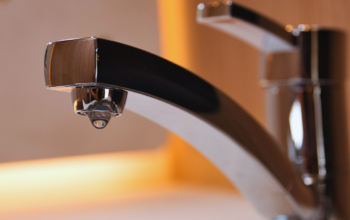
Daily wiping of sinks and taps prevents water spots, soap scum, and bacterial build-up. Using a microfiber cloth or soft sponge with a mild cleaner or just warm water is sufficient for most households.
Pay special attention to taps where limescale can quickly accumulate. A quick dry after wiping reduces moisture, lowering the chance of mould growth. Wiping immediately after use also keeps surfaces shiny and bright longer.
Encouraging regular wiping after each use turns it into a simple habit that prevents tougher cleaning sessions later. Consistency is more effective than intense daily scrubbing.
Managing Bathroom Supplies
Keeping bathroom supplies organised and replenished daily supports a smooth cleaning routine and overall hygiene. Empty bins should be checked and deodorising tablets added if needed to control odours.
Replacing towels and bath mats every few days prevents damp smells and bacterial growth. Heavily used items may need daily rotation.
Daily checks on soap dispensers and toilet paper levels help avoid last-minute replacements, keeping the bathroom welcoming. A well-stocked bathroom is easier to maintain and reduces clutter from products left out.
Tackling Soap Scum
Soap scum develops quickly on shower doors, tubs, and tiles. Daily removal with a squeegee or wiping with a damp cloth prevents it from hardening and becoming difficult to remove.
Using vinegar diluted in water once or twice a week also helps to dissolve mineral deposits. Encouraging ventilation post-shower minimises moisture, cutting down soap scum formation.
Regularly addressing soap scum keeps surfaces clear and reduces the need for harsh chemicals or lengthy scrubbing later. Small actions after each use are more effective than occasional heavy cleaning.
Managing Entryways and Shoes
Entryways often collect clutter from shoes and outerwear, which can quickly reduce the home’s tidiness. Efficient shoe storage and consistent tidying habits are essential to maintain an orderly and functional space.
Setting Up Shoe Storage
Proper shoe storage prevents clutter and protects flooring from dirt and damage. Using shelves, racks, or cubbies near the door creates a designated spot for shoes, keeping them off the floor.
Consider multi-tiered racks or stackable crates when space is limited. Closed shoe cabinets help hide shoes while reducing dust accumulation.
Clear labels or colour-coding can help family members return shoes to their places quickly. Mats or trays beneath shoe storage protect surfaces from wet or muddy shoes.
Keeping Entryways Tidy
Daily habits around the entryway reduce mess build-up. Spending two minutes each evening to hang coats, rack shoes, and clear mail can maintain order effortlessly.
Encouraging all household members to remove shoes upon entering limits dirt inside the home. A quick sweep or vacuum of the entryway floor several times a week prevents dirt from settling in.
Minimising items left by the door reduces visual clutter and simplifies cleaning. Using baskets or trays for keys and small items keeps surfaces clear without losing essentials.
Pet Care and Household Cleanliness
Maintaining a clean home with pets involves focused daily tasks to manage shedding and dirt, plus regular deep cleaning of areas pets use most. These actions reduce allergens, prevent odours, and keep both the pet’s space and the whole house hygienic.
Routine Grooming for Pets
Regularly grooming pets is crucial to reduce shedding and minimise loose hair around the home. Brushing dogs and cats daily or several times a week helps control fur spread and keeps their coat healthy.
Bathing pets on a suitable schedule also decreases dander and skin oils that can cause odours. Nail trimming prevents scratches on floors and furniture, while cleaning ears and teeth improves overall hygiene. Establishing a consistent grooming routine supports both pet comfort and household cleanliness.
Cleaning Pet Areas
Pet areas require special attention to prevent the build-up of dirt, hair, and bacteria. Food and water bowls should be washed daily to avoid mould and bacterial growth. Beds and blankets demand weekly washing in hot water to remove hair, dirt, and odours.
Vacuuming or sweeping around these zones often controls fur accumulation. Wiping down surfaces with pet-safe cleaners helps remove paw prints, dust, and grime. Keeping bedding and feeding areas clean reduces the chance of pests and maintains a healthier environment for pets and people alike.
Maintaining Air Quality and Freshness
Maintaining good air quality involves proper airflow and choosing safe methods to keep the home smelling fresh without adding pollutants. Small daily actions can significantly improve the atmosphere inside a house, reducing allergens and contaminants.
Ventilating Rooms Regularly
Proper ventilation is essential for removing indoor air pollutants and bringing in fresh outdoor air. Opening windows daily allows for air exchange, which reduces moisture, odours, and airborne particles.
The ideal approach is to open windows in multiple rooms for 10 to 15 minutes, ideally twice a day. This practice helps to dilute indoor allergens and reduces the concentration of potential airborne viruses.
Using fans or mechanical ventilation can assist airflow when the weather prevents window opening. Regularly checking and maintaining ventilation systems ensures they function efficiently and support good indoor air quality.
Using Natural Air Fresheners
Natural air fresheners help maintain a pleasant home environment without introducing harmful chemicals. Options like placing bowls of baking soda or white vinegar around the house can absorb odours effectively.
Essential oils, when used with a diffuser, introduce gentle scents without the irritants found in many synthetic sprays. Houseplants also contribute by absorbing certain toxins and releasing oxygen, improving air freshness.
Avoiding artificial air fresheners and scented candles that release volatile organic compounds (VOCs) is recommended for maintaining healthier indoor air.
Building Habits with Family or Flatmates
Creating a clean home is easier when everyone shares responsibility and consistently participates. Clear roles and regular involvement help prevent chores from piling up and foster a cooperative environment.
Assigning Shared Responsibilities
Dividing tasks evenly ensures no one feels overwhelmed. Each person should have specific daily or weekly duties based on their schedules and strengths. For example, one might handle kitchen cleaning while another takes care of the bathroom.
Using a visible chart or digital schedule helps track who does what and when. This reduces confusion and prompts accountability. It is important to rotate tasks occasionally to keep fairness and avoid monotony.
Encouraging open communication about workload helps adjust responsibilities as needed. Clarity in expectations leads to smoother cooperation and better maintenance of shared spaces.
Encouraging Consistent Participation
Consistency requires motivation and encouragement from all parties. Setting reminders or incorporating cleaning tasks into daily routines helps build lasting habits.
Positive reinforcement, such as recognising efforts or sharing small rewards, increases willingness to participate. Avoiding blame when tasks are missed prevents conflicts.
Regular family or flatmate meetings can review how well the cleaning routines are working. This allows adjustments and supports continued engagement. Involving everyone in decision-making makes participation feel more meaningful.
Staying Motivated and Tracking Progress
Maintaining daily habits for a clean home requires consistent effort and effective strategies to keep on track. Simple tools can provide structure, while positive reinforcement encourages continued commitment.
Using Checklists and Reminders
Checklists act as clear guides, breaking down cleaning tasks into manageable actions. They help homeowners track what has been completed and what still needs attention, reducing the chance of overlooking chores.
Setting reminders on phones or digital calendars ensures tasks aren’t forgotten amid a busy schedule. Visual aids, such as printed checklists placed in prominent areas like the kitchen or hallway, can serve as constant prompts.
For example, a daily cleaning checklist might include wiping surfaces, sweeping floors, and tidying clutter. Marking completed tasks fosters a sense of achievement and provides tangible proof of progress.
Rewarding Household Efforts
Incorporating small rewards motivates consistent cleaning habits. These incentives might be simple privileges, treats, or time for leisure after tasks are completed.
Acknowledging daily or weekly progress keeps motivation high. Creating a reward system — such as earning a favourite activity after a week of maintaining certain habits — reinforces positive behaviour.
Celebrating milestones can be done individually or as a family, making the process collaborative. This method transforms routine cleaning from a chore into a more engaging and satisfying experience.