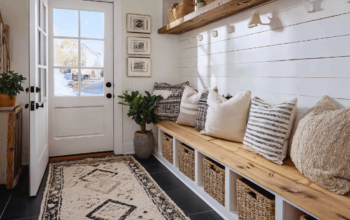
A minimalist approach to home decoration focuses on simplicity and functionality while maintaining an inviting atmosphere. By prioritising essential items and decluttering spaces, one can create a harmonious environment that enhances both aesthetics and well-being. Incorporating neutral colours, natural materials, and thoughtfully selected furnishings can transform any space into a serene, organised sanctuary.
Many individuals find that embracing minimalism not only simplifies their living areas but also brings a sense of peace and clarity to their lives. This style encourages thoughtful consumption, prompting homeowners to choose quality over quantity. The key lies in curating items that reflect personal style while ensuring each piece serves a purpose.
The benefits of a minimalist home extend beyond visual appeal; it can lead to improved mental clarity and reduced stress. Adopting this approach allows for easier maintenance and creates a more functional space to live and work. Engaging with minimalist design principles can, therefore, result in a truly transformative experience.
Core Principles of Minimalist Home Decoration
Minimalist home decoration centres on clear ideas around simplicity, functionality, and thoughtful choices. This approach fosters a calm environment through deliberate design elements that enhance living spaces.
The Philosophy of Less Is More
The minimalist philosophy hinges on the concept of “less is more.” This idea encourages individuals to remove excess items and focus on what truly matters in their living spaces.
Minimalism promotes the use of a few essential pieces that serve multiple purposes. Each item chosen should enhance the aesthetic or functionality of the home. This approach reduces clutter and promotes clarity.
To embrace this philosophy, individuals need to assess their belongings and keep only what aligns with their vision of a minimalist lifestyle. By prioritising essential items, one can create harmonious spaces.
Embracing Simplicity and Functionality
Simplicity and functionality are cornerstones of minimalist interior design. They advocate for a practical yet stylish environment that brings ease to daily tasks.
In minimalist design, furniture selection should reflect these principles. Items should be aesthetically pleasing while serving a functional purpose. For instance, a sleek coffee table with storage can maintain order while providing utility.
Colour palettes typically feature neutral shades to create a serene atmosphere. Natural materials, such as wood and stone, can also enhance simplicity. They add warmth and texture without overwhelming the senses.
Quality Over Quantity in Interior Design
Adopting a quality-over-quantity mindset is essential in creating a minimalist home. Investments in fewer high-quality pieces can lead to a more stylish and long-lasting environment. Individuals should seek out handcrafted or designer items that resonate with their individual style. Choosing well-made products ensures durability while adding character to the space.
Incorporating high-quality textiles, such as linen or wool, can elevate the minimalist aesthetic. These materials provide comfort without compromising the clean lines integral to minimalist decor. Selecting the right pieces will amplify the appeal of the minimalist style.
With this in mind, bringing all these elements together effectively, whether in a new build or a renovation, requires thoughtful planning and a cohesive vision. In such cases, collaborating with experts from well-established full service interior design companies can help ensure that every detail is carefully curated and seamlessly integrated, often resulting in a refined and harmonious living environment.
Essential Elements of Minimalist Décor
Minimalist décor emphasises simplicity and functionality. Key components include a neutral colour palette, thorough decluttering, intentional use of empty space, and the incorporation of functional furniture.
Selecting a Neutral Colour Palette
A neutral colour palette is fundamental in minimalist décor. Colours such as whites, beiges, greys, and soft earth tones create a calm environment. They allow for flexibility in accent pieces without overwhelming the space.
Using a limited spectrum of shades unifies the rooms, making them appear larger and more cohesive. It also helps to reduce visual clutter by focusing the eye on forms and textures rather than colour. Accents in similar tones can add depth without straying from the minimalist ethos.
Decluttering and Curating Essential Items
Decluttering is essential for achieving a minimalist aesthetic. This process involves assessing belongings and retaining only those that serve a purpose or hold significant value. Items that contribute to functionality or personal enjoyment are prioritised.
Storage solutions like sleek shelves or hidden compartments can optimise organisation while maintaining a clean appearance. Keeping surfaces clear contributes to a clutter-free environment, making it easier to appreciate the beauty of functional pieces. Periodic reviews of belongings ensure that the space remains curated and intentional.
However, not every item removed during these reviews can be permanently discarded. Belongings with emotional significance, seasonal relevance, or future use may still need to be kept. In such cases, choosing the best storage company often offers a practical way to store these items securely without disrupting the overall balance of the space. This allows the home to remain organised while still preserving what matters.
Maximising Empty Space
Empty space is a vital aspect of minimalist décor. It enhances the perception of room dimensions and promotes a soothing atmosphere. Strategic placement of furniture can create visual flow, allowing areas to breathe.
Moreover, utilising negative space prevents overcrowding and invites natural light into the home. It is beneficial to leave areas intentionally bare, providing a visual break and elevating the impact of each piece within the space. Emphasising emptiness cultivates a serene backdrop conducive to relaxation.
At the same time, adding warmth or ambiance without disrupting the minimalist aesthetic is possible through sustainable choices. For example, consulting reputable firms specializing in electric fireplaces UK (or elsewhere) can result in sleek, functional additions that complement the room’s simplicity while remaining environmentally friendly.
Additionally, incorporating a low-maintenance indoor plant or a small vertical garden introduces a natural element and improves air quality without adding clutter.
Incorporating Functional Furniture
Functional furniture is a cornerstone of minimalist design. Selecting pieces that serve multiple purposes reduces the need for excess items. Examples include a coffee table with built-in storage or a sofa that transforms into a guest bed.
Choosing minimal furniture with clean lines ensures they complement rather than dominate the room. This approach keeps the focus on simplicity while enhancing practicality. Furniture should be both aesthetically pleasing and effective in everyday use, aligning with the principles of minimalist living.
Styling Key Spaces with a Minimalist Approach
In a minimalist home, each space serves a purpose while maintaining a clean aesthetic. Key areas include the living room, bedroom, and kitchen, each allowing for personal style without clutter.
Minimalist Living Room Design
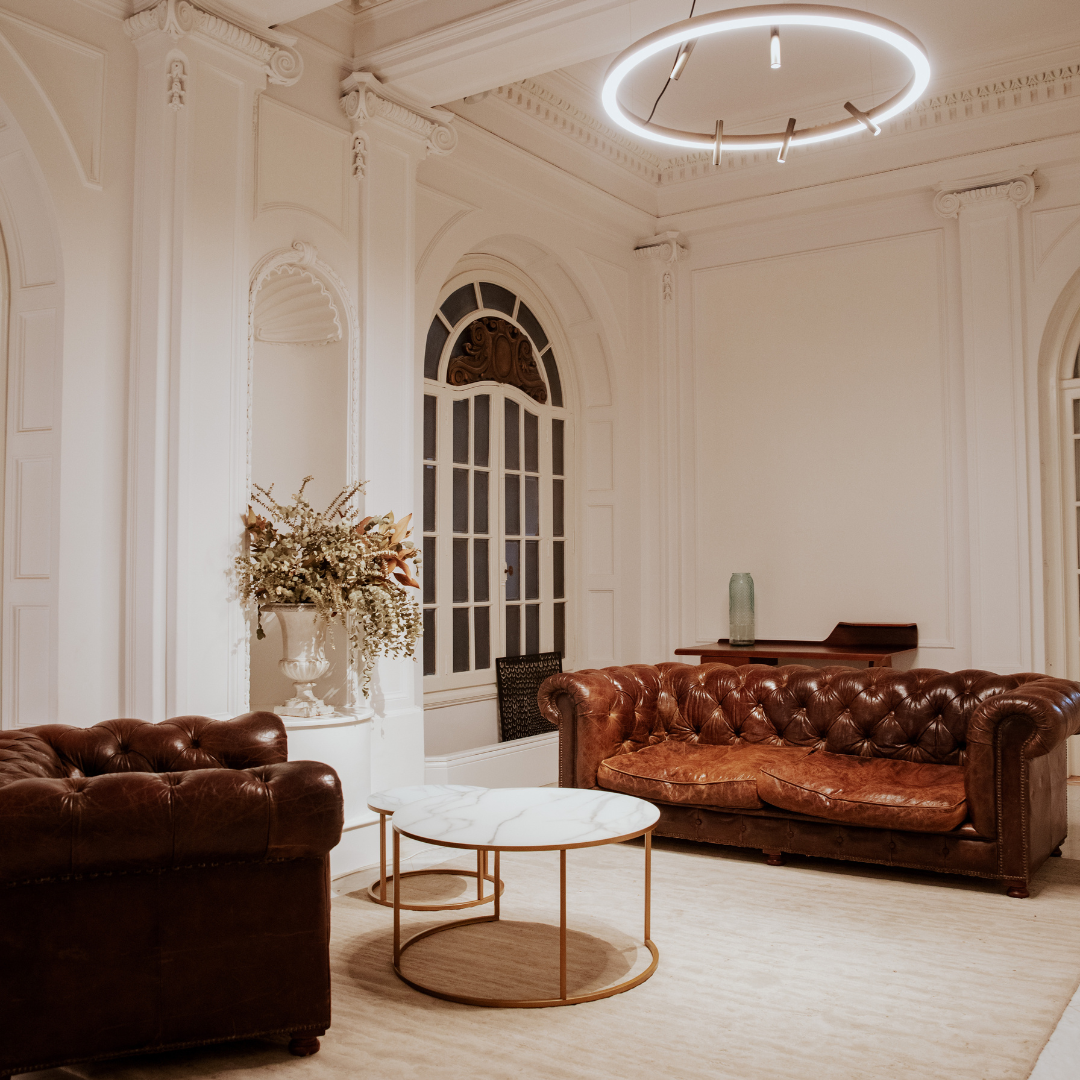
A minimalist living room focuses on simplicity and functionality. The furniture selection should include a few well-crafted pieces. For example, a sleek sofa paired with a minimal coffee table creates an inviting space.
Incorporate essential items like a single art piece or a plant to add character without overwhelming the space. Choosing a neutral colour palette helps create a calm atmosphere. Storage options, such as built-in shelves, can keep distractions at bay while maintaining an organised look.
Use soft textures in cushions or throws to enhance comfort without compromising the minimalist design. Lighting should be understated yet effective; consider a statement lamp that aligns with the overall theme.
Crafting a Minimalist Bedroom
In a minimalist bedroom, comfort meets simplicity. The bed should be the focal point, dressed in neutral bedding with a simple headboard. Selecting a few essential furniture pieces, like nightstands and a dresser, simplifies the layout.
Decluttering surfaces maximises space and promotes tranquillity. Minimal accessories, such as a single piece of wall art or a decorative vase, contribute personality while maintaining minimalism. Integrating natural light through sheer curtains can enhance the sense of openness.
Storage solutions, like under-bed drawers or built-in wardrobes, keep belongings hidden, allowing for a serene environment. A calm colour scheme, combined with soft textures, promotes relaxation, making it a perfect retreat.
Creating a Streamlined Minimalist Kitchen
A minimalist kitchen embodies functionality with a sleek design. Essential items should be easily accessible, while decorative elements remain minimal. Opt for integrated appliances to achieve a seamless look.
The choice of cabinetry plays a significant role; flat-panel doors in light shades contribute to an airy feel. Countertops should be uncluttered, limited to a few essential kitchen tools and perhaps a potted herb for freshness.
Using open shelving can display carefully chosen utensils or dishware, maintaining visual interest without overcrowding. Lighting is crucial in this space; pendant lights over the island can serve as a focal point while providing adequate task lighting.
Enhancing Atmosphere and Adding Character
Creating an inviting atmosphere with a minimalist approach requires intentional choices. By optimising lighting, utilising statement pieces, and displaying art, one can effectively enhance character without overwhelming the space. Thoughtful incorporation of textiles and colours also plays a significant role in this process.
Optimising Lighting and Ambience
Lighting profoundly impacts the mood of a room. Using a mix of ambient, task, and accent lighting can create depth and warmth. Consider adjustable dimmers to control brightness according to the time of day or activity.
Natural light should be maximised—use sheer curtains to allow sunlight while maintaining privacy. Layering light sources can highlight specific areas that need emphasis. For example, a floor lamp can accentuate a reading nook, creating a focal point without adding clutter.
Utilising Statement Pieces Effectively
In a minimalistic decor scheme, statement pieces serve as crucial focal points. Selecting one or two carefully chosen items can transform a room’s character. For instance, a striking piece of furniture or an oversized sculpture can draw the eye and add interest.
Prioritise quality over quantity. A unique, well-designed piece communicates personality without overwhelming the space. When positioned thoughtfully, these items can lead the viewer’s attention and influence the flow of the room.
Displaying Art and Gallery Walls
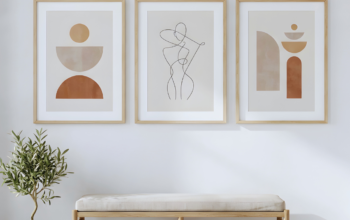
Art adds personality and vibrancy to a home. In minimalist decor, creating a gallery wall offers a structured way to display art without cluttering surfaces. Use a monochromatic colour palette for frames to maintain harmony.
Moreover, selecting a well-balanced combination of sizes and styles creates visual interest while ensuring the artwork resonates with the homeowner and evokes emotion.
For example, including pieces like the moon tarot art print, known for their mystical symbolism, or subtle nature-inspired prints can add a personal and meaningful touch without overwhelming the space.
Furthermore, arranging the pieces in a cohesive layout with consistent spacing helps balance visual weight and enhances overall aesthetic appeal.
Incorporating Textiles and Bright Colours
Textiles introduce warmth and comfort into a minimalist environment. Consider incorporating cushions, throws, and rugs in bright colours to inject energy without overwhelming the design.
Mixing textures adds depth—choose soft fabrics like wool or cotton alongside more structured materials. This combination can create a tactile experience. Strategic placement of textiles can influence comfort and encourage relaxation in living spaces.