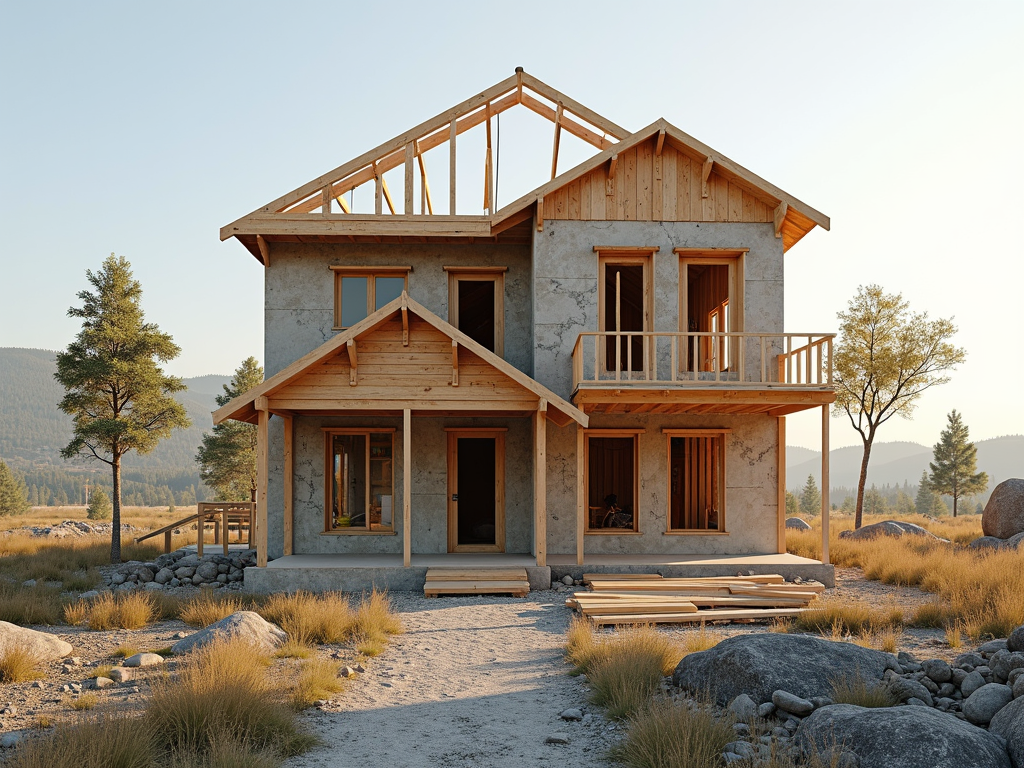
What’s the most important part of any building? Most people guess the roof or the foundation. Both matter, sure, but there’s something even earlier that decides whether a project succeeds or struggles: the way the site is prepared before anything is built.
Without the right land preparation, even the strongest walls and fanciest materials won’t save a project. Whether it’s your dream home, a farm expansion, or a light commercial space, it all starts with dirt, rock, and roots, and how well they’re handled before the first nail is hammered.
What Exactly Happens During Site Preparation?
Site prep sounds simple at first, but it’s actually a detailed process with a lot of moving parts, which is why you need experienced professionals like Loves Land & Tree. It’s not just “clearing the land”. It’s about creating the safest, strongest, and most stable surface possible for everything that follows.
Here’s what typically needs to happen:
- Land clearing – Trees, brush, rocks, and debris need to be fully removed.
- Grading and leveling – The ground has to be reshaped and evened out.
- Soil testing – Professionals check if the soil can properly support the structure.
- Excavation – Digging is done for things like foundations, basements, and drainage.
- Utility access – Lines for water, electricity, gas, and sewage are set up or planned for.
Each of these steps protects the future of the project. Skip one, and you might find yourself dealing with unexpected disasters later.
Why Residential Projects Can’t Afford to Skip This Step
Building a home is exciting. It’s tempting to focus on designs, finishes, and that perfect backyard patio. But none of those things can last without a rock-solid beginning.
If a site isn’t properly prepared before construction, homeowners could face serious problems down the line. Foundations can crack. Water can seep into basements. Driveways and sidewalks can shift and sink. Even the most beautifully designed home can become a nightmare if the land under it wasn’t stable from day one.
It’s not just about immediate stability, either. Proper grading ensures rainwater flows away from the house instead of pooling around it. Quality soil preparation prevents settling that can slowly tear a structure apart over the years. Site prep acts like a silent guardian, protecting everything built on top of it, season after season.
How Site Prep Impacts Agricultural Land
When it comes to farming, land is more than just a spot to build — it’s the heart of the entire operation. Mistakes made during site preparation don’t just threaten a building; they can hurt crops, livestock, and equipment access.
Think about how heavy rain behaves on uneven or poorly graded farmland. It can wash away topsoil, flood fields, and create swampy messes that tractors and harvesters can’t get through. A good site prep job plans for all of that. Water management is carefully considered, ensuring fields stay productive and buildings stay dry.
Plus, barns, sheds, and storage facilities need firm, properly packed ground underneath them. No farmer wants to deal with a building that slowly sinks into the mud every spring. Solid site work lays the foundation — literally and figuratively — for agricultural success.
Light Commercial Projects Need a Strong Start Too
Small commercial buildings might not look as massive as giant warehouses or factories, but the stakes are just as high. Businesses depend on steady structures, reliable utilities, and accessible parking and walkways. Poor site preparation can lead to unexpected repairs, insurance claims, or even full rebuilds later on.
Another thing to keep in mind is the pressure these sites face. Between delivery trucks, employee vehicles, and customer traffic, the ground beneath needs to be prepared for a lot of wear and tear. Starting with properly compacted soil, well-planned drainage, and professional grading ensures the property stays functional and safe for years to come.
When businesses skip these steps, it not only harms the building but also impacts customer experience and daily operations.
Why Cutting Corners in Site Prep Always Backfires
It’s easy to think, “We’ll just clear the trees and get started.” But site prep isn’t the place to rush or skimp. When the land isn’t properly prepared, it almost always shows up later, and fixing it once a structure is already built is far more expensive and complicated than doing it right the first time.
Here’s what rushing site prep can lead to:
- Drainage problems that cause flooding or erosion
- Foundations that crack, shift, or sink
- Uneven floors and structural instability
- Mold issues from poor water management
- Expensive repairs that could have been prevented
A little extra time and investment upfront save massive headaches down the road.
Laying the Groundwork for Something Better
When you picture your dream project, whether it’s a beautiful home, a thriving farm, or a busy storefront, you probably see the finished product. You imagine people living there, working there, making memories, or building a future.
But none of that can happen without a solid start.
Undertaking proper site prep is the most important step you’ll do, working quietly beneath everything else, keeping it steady and strong for decades to come. If you want your dreams to stand tall, last long, and truly be built to last, it all starts with the ground you’re standing on.