5 Maintenance Habits That Extend the Life of Your Home Air Conditioning
Many homeowners might overlook the importance of regular maintenance for their air conditioning systems. Would you run your car for 100,000 miles without an oil change? Of course not! Yet, many of us are doing the equivalent of this with our HVAC systems. By having your air conditioning system regularly maintained, you can avoid these common and costly mistakes.
Filter Changes Aren’t Optional
A dirty air filter does more than just reduce your indoor air quality. It also creates static pressure that your blower motor must overcome every time that system runs. Over time, that puts a lot of unnecessary strain on it. Most manufacturers suggest that you replace or clean your filters every 30 to 90 days. But, that can vary depending on your home and the type of filter you are using.
Something to know: the MERV rating on your filter matters. A filter with a higher MERV rating will catch more of the smaller particles, but if the system wasn’t designed to be used with that kind of filter, the restricted airflow that results can overheat the motor even faster than a dirty filter could. So, check the manufacturer’s suggestion before trying to upgrade.
Replacing a clogged filter with a clean one can lower your air conditioner’s energy consumption by 5% to 15% (U.S. Department of Energy). That’s a pretty solid chunk of change over the course of a cooling season and will cost you next to nothing to keep in check.
The Outdoor Unit Needs Breathing Room
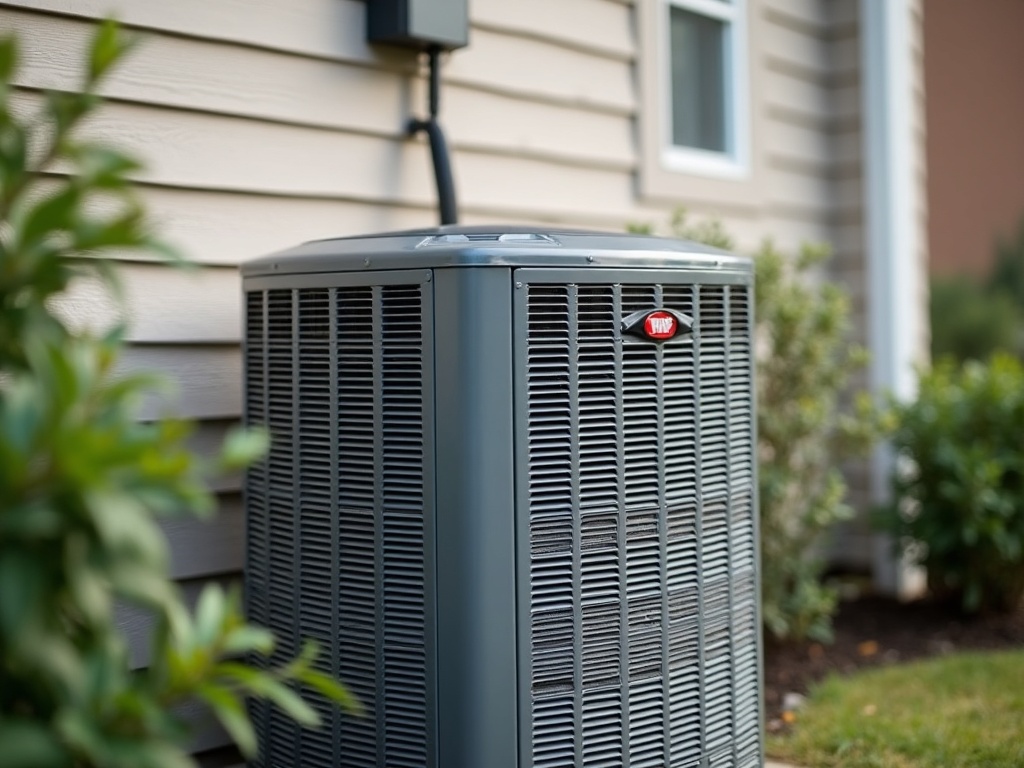
The outdoor condenser unit at your home expels heat into the surrounding air, and this cannot happen effectively if bush or any kind of vegetation around it has overgrown. As a result, the compressor – which is in fact the most expensive part of your air conditioner – will need to overwork, operate at a higher temperature, and deteriorate sooner.
You should maintain a distance of two feet around your condenser unit. Make sure to cut back any bushes or grass growing near it. Also, after a windy day, check for any debris that may have gathered on top or within the fins. By the way, the fins, i.e. those small aluminum slats outside of the condenser unit are responsible for its heat exchange surface area. They get bent very easily. An inexpensive fin comb can straighten them and fully restore the airflow. Most homeowners do not even dedicate five minutes to do that.
Flush The Condensate Drain Line Once A Year
When your AC runs, it takes moisture out of the air. This moisture must exit somewhere, and it does so through the condensate drain line. The problem is that algae and mold love the moist, dark environment inside the drain line. If the drain line becomes blocked, it can trip an automatic shut-off switch – and that means the system stops cooling until you call your AC service tech – or worse, the drain pan can back up and cause water damage near the air handler.
Solution: Once a year, get a shop vac and suck out the drain line. You can also pour a mixture of one cup of vinegar and 16 ounces of water down the drain line to keep it clear. Or you can have your AC tech clean it annually. It takes a few minutes to do this.
Don’t Ignore Thermostat Accuracy
When a thermostat misreads the room temperature, it makes the system short cycle – turn on and off more often than necessary. This is bad for the compressor. And it also means the house isn’t ever quite as cool as you want it to be since the system is off again before it’s had a chance to make a real difference.
If your thermostat is just "warm", make sure it’s not mounted near a heat source, like a sunny window or a lamp. A simple test with a glass tube thermometer, or even just getting rid of your old dial-style unit in favor of a new programmable thermostat, can cut back on the number of times your compressor has to fire up in a day.
Schedule One Professional Inspection Annually
The four habits mentioned above can all be done by yourself. This last one is non-negotiable but does warrant a technician.
The level of refrigerant, the integrity of electrical connections, and the state of the evaporator coil are things the average homeowner can’t see. Low refrigerant – which is generally a clue that there’s a leak somewhere, not just a low level over time – leads to system freeze-up and can destroy the compressor. A pro will catch these issues before they become failures.
Specialists like cb climate control have the equipment necessary to measure refrigerant charge, test electrical resistance, and diagnose early problems that won’t become apparent in any other way while cleaning.
A professional tune-up costs a small fraction of a compressor replacement. And a new compressor can easily set you back a couple grand. Or you could be buying a whole new system. An annual inspection is just about the soundest financial decision you can make as a homeowner.
Maintenance Is Protection, Not Upkeep
It’s all about perspective. Instead of focusing on habits to keep the house cool, think of it as protecting a big investment. A well-maintained system holds its efficiency rating longer, runs fewer unnecessary cycles, and doesn’t hand the compressor a slow death through neglect.
None of it is complicated. Most of it takes less than an hour a year. The cost of doing nothing is eventually much higher.