A seasonal checklist for home maintenance helps homeowners stay organised and ensures their property remains safe, efficient, and in good condition throughout the year. It breaks down essential tasks by season, making it easier to prioritise repairs, cleaning, and inspections when they matter most.
Regularly following a seasonal home maintenance checklist prevents costly repairs and prolongs the lifespan of a house. This approach also helps maintain property value and reduces the risk of unexpected problems, whether dealing with harsh winter weather or summer heat.
By addressing specific jobs each season, such as checking heating systems in autumn or clearing gutters in spring, homeowners can save time and effort. A clear, structured plan provides peace of mind and supports better management of home upkeep.
Understanding Seasonal Home Maintenance
Seasonal home maintenance involves timely, targeted tasks that address the specific needs of a home throughout the year. It helps prevent deterioration caused by weather changes, wear and tear, and unforeseen damages. A clear plan guides homeowners to manage repairs efficiently and reduces long-term expenses.
Why Regular Seasonal Maintenance Matters
Regular maintenance preserves the home’s structure and functionality. For example, servicing gutters in autumn prevents water damage by avoiding blockages. Inspecting the roof in spring catches minor issues before summer storms worsen them.
Seasonal upkeep also improves safety by identifying hazards like faulty wiring or damaged steps. It maintains comfort by ensuring heating systems work before winter and cooling systems operate efficiently in summer.
Routine care extends the life of major elements such as roofing, plumbing, and insulation, protecting the homeowner’s investment. Without consistent attention, small faults can escalate into costly repairs.
Common Risks of Neglecting Maintenance
Neglecting scheduled tasks increases risks such as damp and mould, which can harm health and damage wood or plaster. Blocked gutters often lead to water ingress, weakening foundations and walls.
Ignoring heating and cooling systems results in poor efficiency, higher energy bills, and potential breakdowns during peak usage. Roof damage, if unchecked, exposes the home to leaks and structural issues.
Additionally, postponed maintenance can affect insurance claims. Insurers may decline coverage if damage resulted from neglect. This creates significant financial risk if repairs become urgent and expensive.
How to Create an Effective Checklist
An effective checklist organises tasks by season, prioritising critical issues first. It breaks down responsibilities into manageable pieces, such as monthly gutter clearance and annual boiler servicing.
Homeowners should tailor the checklist to their property’s age, location, and materials. For example, those in wetter areas need more frequent gutter inspections. Adding reminders ensures tasks are not overlooked.
Using tables or formatted lists helps track completed jobs and pending ones. Combining inspections, repairs, and cleaning efficiently avoids overwhelming workload or surprise costs during any season.
Regularly updating the checklist based on observations or professional advice keeps it relevant and practical year-round.
Spring Home Maintenance Checklist
Spring is the ideal time to address critical areas that ensure the home’s durability and safety throughout the year. Attention to the roof, heating and cooling systems, exterior surfaces, and alarms helps prevent costly damage and maintains a comfortable living environment.
Inspecting Roofs and Gutters
Checking the roof after winter is essential to identify damage such as cracked, missing, or loose tiles. Small issues can lead to leaks or structural damage if ignored. Look for signs of moss or algae growth, which can degrade roofing materials over time.
Gutters should be cleared of leaves, twigs, and debris to ensure proper drainage. Blocked gutters can cause water overflow, damaging walls and foundations. It’s important to check for rust, leaks, or sagging sections and repair them promptly to maintain effective water drainage.
Servicing Heating and Cooling Systems
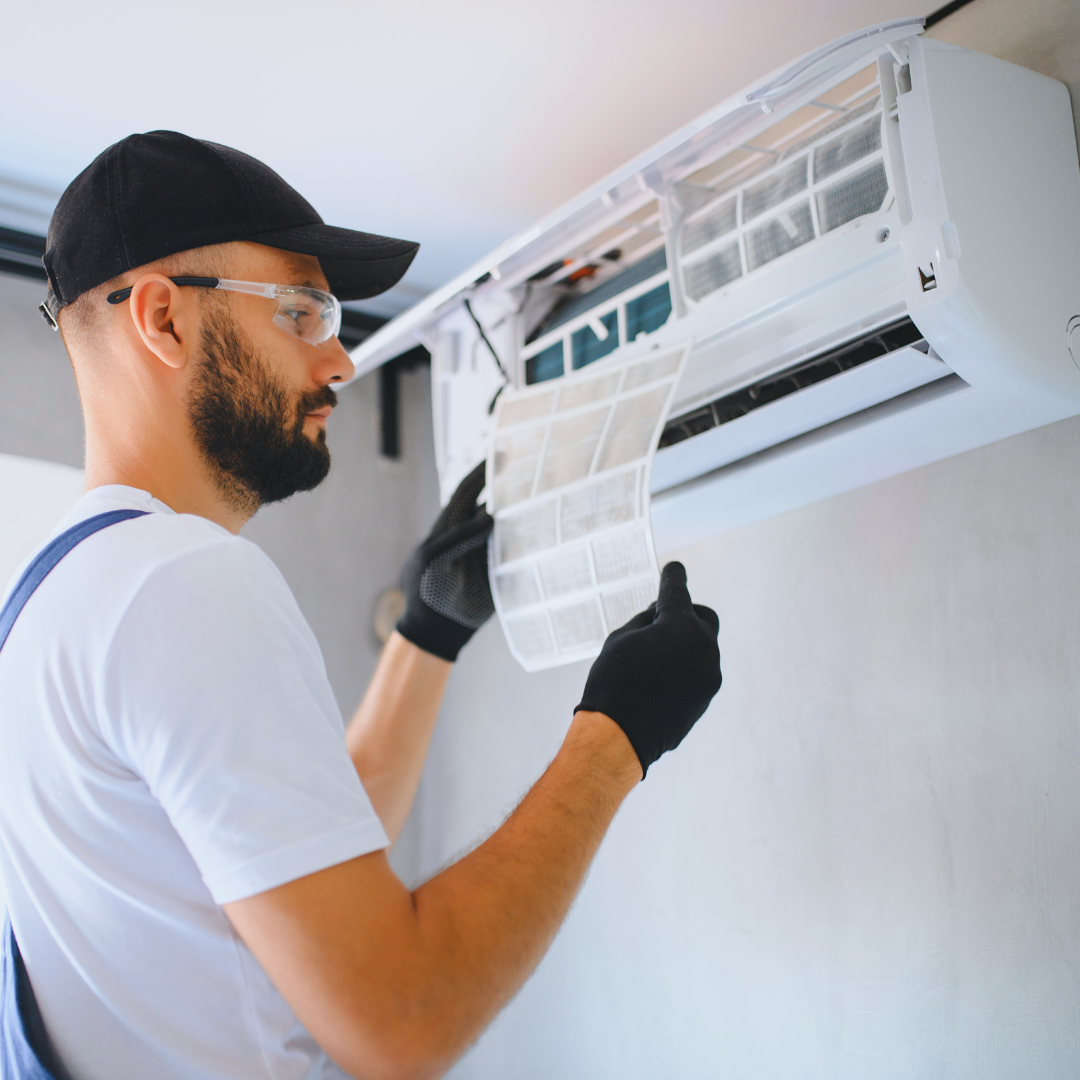
Before warmer weather arrives, servicing the cooling system ensures it operates efficiently. Cleaning or replacing air filters helps maintain air quality and system performance. Checking refrigerant levels and inspecting ducts for leaks improves cooling effectiveness and reduces energy costs.
Heating systems should also be examined if used sporadically during early spring. Testing timers and thermostats guarantees they function correctly for the next cold season. Regular professional servicing is advised to identify and resolve any worn parts or safety risks.
Checking Exterior Paint and Siding
Exterior surfaces endure harsh winter conditions that can cause peeling paint, cracks, or wood rot. Inspecting these areas helps maintain the home’s appearance and protects structures from moisture damage. Small cracks should be sealed, and any peeling paint sanded down before repainting.
For homes with siding, look for loose or damaged panels that could allow water or pests inside. Cleaning the exterior removes dirt and mildew that can accelerate deterioration. Addressing minor issues early extends the lifespan of siding and paint jobs.
Testing Smoke and Carbon Monoxide Detectors
Spring is a good time to test all smoke alarms and carbon monoxide detectors to ensure they work correctly. Replace batteries annually or as soon as the low battery warning sounds. Detectors should be strategically placed on every level of the home, especially near sleeping areas.
Regular testing prevents failures that can compromise household safety. If a detector is older than 10 years, replacement is recommended. Proper functioning alarms provide critical early warnings in emergencies.
Summer Home Maintenance Essentials
Summer requires focused attention on outdoor areas and fixtures to prevent damage and maintain comfort. Key tasks include keeping plants healthy, ensuring plumbing systems work efficiently, and protecting window integrity and ventilation.
Maintaining Gardens and Lawns
Summer heat and dry conditions can stress gardens and lawns. Regular watering is essential, ideally early morning or late evening, to reduce evaporation. Using a timed irrigation system helps maintain consistent moisture levels.
Lawns benefit from mowing at a higher setting to reduce water loss and protect grass roots. Removing weeds promptly prevents competition for nutrients. Applying mulch around plants conserves soil moisture and controls temperature.
Fertilising with a slow-release product supports growth during peak heat. Checking for pests and diseases regularly helps catch problems early, avoiding widespread damage.
Inspecting Outdoor Plumbing and Irrigation
Outdoor plumbing installations, such as hose bibs and sprinkler systems, must be checked for leaks or blockages. Even minor leaks increase water bills and promote mould growth.
Sprinkler heads should be adjusted to prevent water wastage on paths or driveways. Cleaning filters and flushing the system removes debris that can inhibit water flow.
Inspect pipes and fittings for signs of wear, rust, or damage from sun exposure. Replace any cracked or corroded parts promptly to avoid further damage.
Checking Windows and Screens
Windows and screens protect the home from insects and improve airflow. Inspect all window seals to ensure they remain intact and prevent warm air infiltration.
Screens should be checked for holes, tears, or loosening. Damaged screens allow pests inside and reduce ventilation effectiveness. Repair or replace as needed.
Cleaning windows improves natural light and visibility. Screening frames and tracks require cleaning to ensure smooth operation. Sealing gaps around frames prevents heat loss and increases energy efficiency.
Autumn Preparation Tasks
Preparing a home for autumn involves specific actions that protect the property from adverse weather and reduce energy costs. Key tasks include managing leaves and gutters, improving insulation, servicing heating systems, and caring for outdoor plants.
Leaf Removal and Gutter Cleaning
Clearing leaves and debris from gutters and drains is essential to avoid blockages. Blocked gutters can cause water overflow, leading to damp issues inside the home or damage to the roof and walls.
Regular gutter cleaning should be done after heavy leaf fall. It’s advisable to check downpipes and drainage channels for obstructions as well.
Using a sturdy ladder and gloves will improve safety while removing debris. Installing gutter guards can reduce the frequency of cleaning by preventing leaves from entering the system.
Sealing Drafts and Insulating
Inspecting doors and windows for drafts helps maintain indoor warmth and cuts heating costs. Common draft points include window frames, door thresholds, and letterboxes.
Applying weatherstripping or draught excluders to these areas can significantly improve insulation. Additionally, thick curtains and insulated blinds help retain heat.
Checking the loft and wall insulation is important. Adding extra insulation if existing layers have thinned can enhance energy efficiency and comfort throughout the colder months.
Preparing Heating Systems
Servicing the boiler and heating system before winter ensures safe, efficient operation. A professional should check for leaks, test pressure levels, and clean essential components.
Bleeding radiators removes trapped air, improving heat distribution. Setting the thermostat correctly ahead of season changes also prevents unnecessary energy usage.
For homes with wood or multifuel stoves, cleaning chimneys and flues is necessary to avoid fire hazards and ensure proper ventilation.
Pruning Trees and Shrubs
Pruning overgrown branches reduces the risk of damage during autumn storms. Removing dead or weak limbs protects roofs, gutters, and windows from falling debris.
Trimming shrubs away from the house can prevent moisture buildup, which contributes to damp problems. Cutting back perennials also prepares gardens for winter dormancy.
It is best to prune deciduous plants after leaf fall, while evergreens might need light trimming earlier to maintain shape and health.
Winter Maintenance Actions
Winter demands specific care to protect a home from cold-related damage and maintain heating efficiency. Key priorities include safeguarding water pipes against freezing, managing snow and ice build-up safely around the property, and ensuring fireplaces and chimneys operate without hazards.
Preventing Frozen Pipes
Frozen pipes can burst and cause severe water damage. Homeowners should insulate exposed pipes, especially in unheated areas like basements, crawl spaces, and garages. Using foam pipe insulation or heat tape can keep pipes warm.
Opening cabinet doors under sinks allows warmer air to circulate around plumbing. During extreme cold, leaving a trickle of water running through taps helps prevent freezing by keeping water moving.
It’s important to seal cracks or openings near pipes to block cold air. If a pipe does freeze, applying gentle heat with a hair dryer or warm towels is safer than using an open flame.
Managing Snow and Ice
Snow and ice accumulation can damage roofs, gutters, and walkways. Clearing snow promptly from driveways and paths reduces slip hazards. Using salt or sand improves traction but should be applied carefully to avoid damage to concrete surfaces.
Ice dams on roofs form when melting snow refreezes, potentially causing leaks. To prevent ice dams, ensure adequate attic insulation and ventilation to keep the roof cold and allow melting snow to drain.
Regularly inspect gutters for blockages. Ice buildup can block water flow and cause overflow into the building’s structure.
Fireplace and Chimney Safety
Before use, the chimney should be inspected and cleaned to remove soot and creosote, which are fire hazards. A chimney sweep can ensure flues are clear and operating correctly.
Fireplaces need a secure damper to control airflow and prevent heat loss when not in use. Using seasoned hardwood reduces creosote build-up and provides more efficient heating.
Installing a fire screen or glass doors prevents embers from escaping. Regular maintenance includes checking for cracks in the firebox and ensuring the hearth is clear of combustible materials.
Year-Round Maintenance Musts
Maintaining a safe, comfortable home requires ongoing attention to specific areas throughout the year. Regular safety checks, monitoring moisture levels, and ensuring home security systems function properly are vital tasks that protect the property and its occupants.
Routine Safety Checks
Regular safety checks prevent hazards and reduce the risks of accidents or damage. Smoke alarms and carbon monoxide detectors should be tested monthly and batteries replaced at least once a year. Fire extinguishers need inspection for pressure and expiry dates.
Electrical systems require visual inspections for frayed cables or damaged plugs. Any faulty wiring demands immediate professional attention. Heaters and ventilation systems must be cleaned and maintained to avoid fire risk and improve air quality.
Safety rails, staircases, and handrails should be checked for stability. Ensuring secure locks on windows and doors also contributes to household safety. Keeping a first aid kit stocked and accessible is a further essential safety measure.
Monitoring for Moisture and Mould
Moisture control protects the home’s structure and air quality. Regularly inspect areas prone to dampness, such as basements, kitchens, bathrooms, and around windows. Look for signs of mould, peeling paint, or musty odours.
Use a dehumidifier in humid rooms to reduce moisture build-up. Ensure ventilation fans operate correctly, especially in bathrooms and kitchens, to lower condensation levels. Fix leaks immediately—plumbing issues often cause moisture problems.
For surfaces with mould, clean using appropriate mildew removers or diluted bleach. Wearing protective gloves and masks during mould removal helps prevent health issues. Continued monitoring can prevent small issues from becoming costly repairs.
Checking Home Security Systems
A well-maintained security system is crucial all year round. Test alarms, sensors, and cameras monthly to ensure they operate correctly. Replace batteries in wireless components regularly to avoid outages.
Update security codes and passwords periodically to maintain access control. Inspect the physical condition of devices for damage or wear that could hinder performance. Lighting around the property, especially at entry points, should be checked and bulbs replaced as needed.
Regularly review the security setup to adapt to changes, like new locks or additional windows. Combining system checks with secure locking practices strengthens overall home protection.
Creating a Personalised Annual Schedule
A tailored annual home maintenance schedule balances routine tasks with specific needs based on property type, professional advice, and detailed tracking. This approach helps prevent overlooked repairs and extends the life of critical systems.
Adapting Tasks for Your Property
Not all homes require the same maintenance. Factors like property age, materials, climate, and local environment influence the specifics. For example, a house with a slate roof demands different inspections than one with asphalt shingles.
Owners should review their home’s unique features and adjust the checklist accordingly. If the property has a garden with irrigation, seasonal checks on the system are essential. Coastal homes need more frequent corrosion control, while rural properties may focus on pest prevention.
Creating a customised list means highlighting key tasks by season and removing irrelevant items. This tailored approach saves time and resources while ensuring critical issues aren’t missed.
Scheduling Professional Inspections
Certain maintenance tasks benefit from expert attention. Scheduling these inspections annually or biannually guarantees that complex systems are properly evaluated.
HVAC units, gas lines, and electrical wiring require certified professionals for safety and efficiency checks. A plumber’s inspection of drainage and pipes can prevent water damage before signs appear.
Setting reminders in a digital calendar helps homeowners book these appointments in advance. Coordinating professional visits with seasonal tasks improves efficiency and reduces disruption.
Tracking Maintenance Progress
A clear record of completed tasks offers practical benefits for ongoing home care. Homeowners should maintain a log—either digital or paper-based—detailing each job, date, and any follow-up notes.
Tracking progress highlights patterns, such as recurring issues or tasks needing more frequent attention. It also supports communication with service providers during repairs or inspections.
Using colour-coded tables or checklists makes it easy to identify completed and upcoming maintenance. Regular review of this log keeps the schedule on track and promotes proactive care.
Sourcing Quality Materials and Services
Choosing the right materials is crucial for effective home maintenance. Quality products ensure durability and reduce the need for frequent repairs. It is advised to prioritise trusted brands and locally sourced materials that meet building standards.
When hiring services, homeowners should seek professionals with verified credentials and positive reviews. Checking for certification, insurance, and references helps avoid unqualified contractors. Transparent pricing and clear contracts protect against unexpected costs.
A simple checklist for selecting materials and services could include:
|
Criteria |
What to Look For |
|
Material durability |
Weather-resistant, warranties |
| Supplier reputation |
Reviews, industry experience |
|
Service provider credentials |
Licences, insurance, client feedback |
|
Cost |
Competitive but not the lowest price |
Homeowners should also confirm availability before peak seasons. Booking early can secure better service and materials at reasonable prices.
Using a trusted supplier or recommended professionals reduces the chance of delays or poor workmanship. Combining reliable products and skilled labour supports long-term home upkeep.