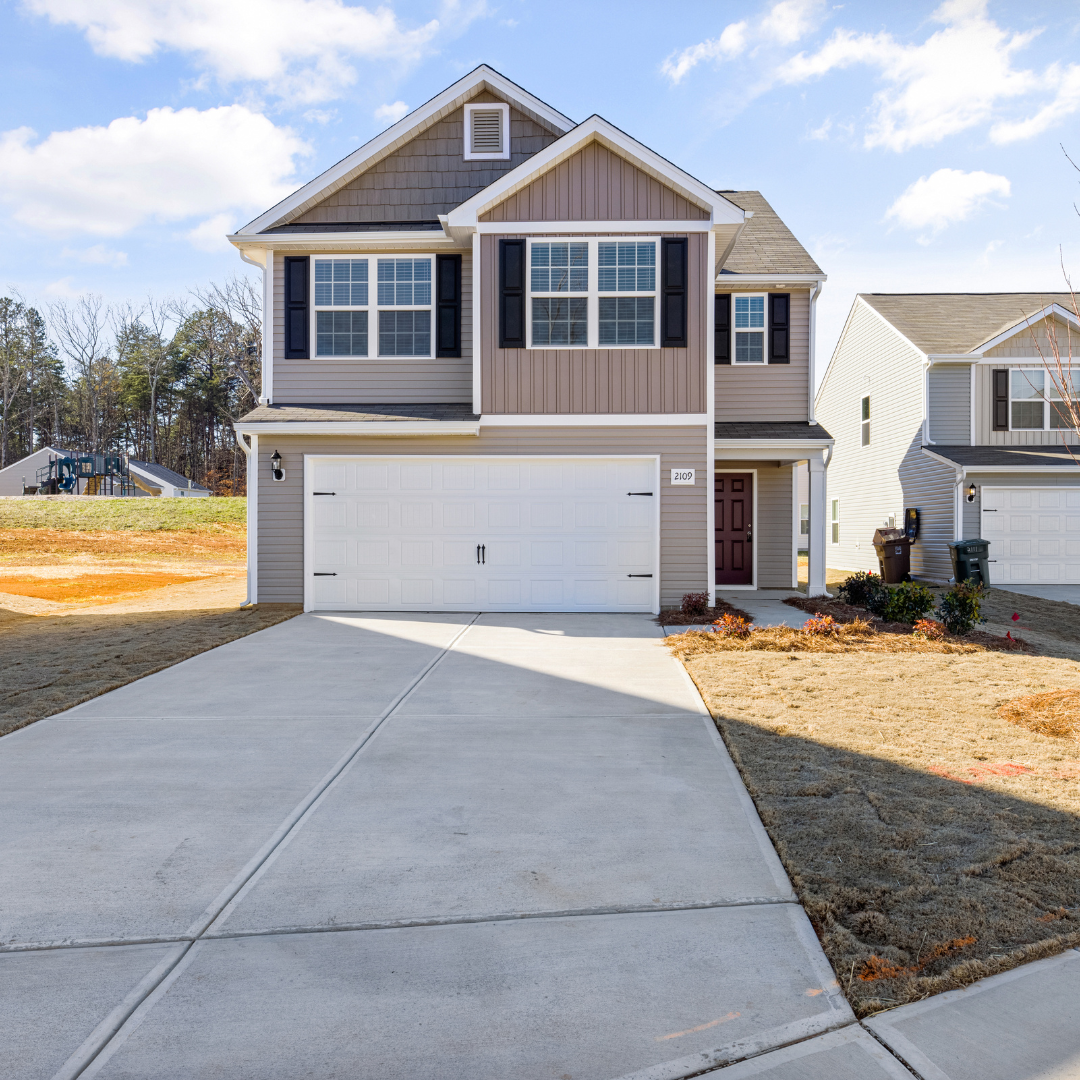
Choosing the right driveway can significantly enhance a property’s curb appeal. From modern concrete designs to charming gravel paths, there are countless driveway ideas that not only serve their function but also elevate a home’s exterior. A well-designed driveway can add both aesthetic value and practicality, making it an essential element of any landscaping plan.
Incorporating unique design elements, such as decorative borders or patterned stones, can transform the ordinary into the extraordinary. Homeowners may consider various materials, such as permeable pavers for sustainability or natural stones for a rustic feel. Each choice influences not just the visual impact, but also the functionality and maintenance needs of the driveway.
As homeowners explore different options, they can find inspiration that suits their style while ensuring that their driveway complements the overall design of their home. From sleek and contemporary to traditional and inviting, the possibilities are endless. Embracing creativity in driveway design can significantly boost curb appeal, making a lasting impression on guests and passers-by alike.
Planning Your Driveway
Proper planning ensures a functional and aesthetically pleasing driveway. Key considerations include understanding the available space and accessibility requirements, as well as complying with local regulations.
Additionally, budgeting for different costs associated with the driveway is crucial. Consider taking professional assistance from R&C Groundworks, or similar other firms, to help achieve the desired result. They can suggest the right layout for the driveway and turn it from merely a functional driveway to something that can truly improve a home’s exterior.
Understanding Space and Accessibility
Assessing the available space is vital before starting any driveway project. Consider the size and shape of the area, including the type of vehicle parked. Make use of measuring tools to determine dimensions accurately.
Accessibility is another critical factor. Ensure that the driveway provides easy access to and from the road. If the property is located on a busy street, a dropped curb may be necessary to facilitate smoother entry and exit.
Consider the slope and gradient of the driveway. A steep angle can create issues for low vehicles and may require additional reinforcement to prevent surface erosion.
Complying With Building Regulations and Planning Permission
Before proceeding, check local building regulations and planning permission requirements. Some jurisdictions may have specific guidelines regarding the type of materials used, drainage solutions, and surface permeability.
Obtaining appropriate planning permission is essential, especially for larger projects. Failure to comply can lead to costly fines or the need to remove the driveway.
Engage with local authorities or consult a reputable asphalt company for assistance in understanding these regulations. They often provide clear guidelines on the necessary documentation and approval processes.
Budgeting for Driveway Costs
Budgeting effectively is key to a successful driveway installation. Begin by estimating the total costs, which may include materials, labour, and any required permits.
Common expenses to consider are:
- Material costs: Prices vary depending on the choice of surface (e.g., block paving, gravel, concrete).
- Labour fees: Hiring professionals may increase expenditure but ensure quality.
- Maintenance costs: Regular upkeep will prolong the life of the driveway and prevent larger repair costs.
It is beneficial to obtain multiple quotes to compare prices. Having a detailed budget helps in managing finances and ensuring the project stays within limits.
Choosing Driveway Materials
Selecting the right materials for a driveway is essential for aesthetics, durability, and maintenance. Each option has unique characteristics, catering to different preferences and functional requirements. You can learn more about gravel driveway installation and maintenance by conducting online research and speaking to professional installation companies. Considerations such as drainage, cost, and upkeep play a crucial role in the decision-making process.
Natural Stone and Gravel Driveways
Natural stone driveways, such as granite setts, offer a timeless aesthetic. They are highly durable and can complement a variety of home styles. Gravel driveways are another popular choice, valued for their low cost and ease of installation.
Advantages of Natural Stone:
- Durability: Natural stone withstands heavy loads and harsh weather.
- Maintenance: Minimal maintenance is needed, often limited to occasional cleaning.
Gravel driveways require regular upkeep to prevent weeds and maintain a tidy appearance. They provide excellent drainage, allowing surface water to permeate efficiently, which can reduce flooding issues.
Concrete and Tarmac Driveways
Concrete driveways are celebrated for their strength and longevity. They are available in various finishes, offering flexibility in design. Their appeal is usually further enhanced when they are laid by a reliable concrete contractor. On the other hand, tarmac driveways, while typically less expensive, provide a smooth surface and quick installation.
Advantages of Concrete:
- Durability: Resistant to cracking and suitable for heavy vehicles.
- Maintenance: Requires sealing every few years to prolong lifespan.
Tarmac is less durable when compared to concrete but is easier to repair. Both materials have limited drainage capabilities without additional modifications, so incorporating proper drainage solutions is essential to manage surface water efficiently.
Block Paving and Permeable Options
Block paving driveways deliver aesthetic versatility and design flexibility. They consist of individual bricks that can be arranged in various patterns. Permeable driveways are engineered to allow water to seep through, mitigating surface water concerns.
Advantages of Block Paving:
- Variety: Available in numerous colours, shapes, and materials.
- Durability: Strong and resistant to fading and cracking.
Permeable options also enhance drainage, promoting environmental sustainability. While block paving may require more maintenance than concrete or tarmac, its capacity for repair and replacement is significant, making it a practical choice for long-term use.
Design Features and Enhancements
Incorporating various design features and enhancements can significantly elevate a driveway’s functionality and aesthetic appeal. Thoughtfully selected elements can create a harmonious link between the driveway and the surrounding landscape.
Integrating Front Garden Elements
Integrating front garden elements into the driveway design enhances the overall curb appeal. Consider using flowers, shrubs, and hedges to create a welcoming atmosphere. Plants can be placed along the edges of the driveway or interspersed throughout larger areas to add colour and texture.
Options such as low-maintenance perennials or drought-resistant plants provide a sustainable solution that reduces upkeep. Adding decorative pathways or steps made from natural stone slabs can also guide visitors to the front entrance, seamlessly blending the driveway with the garden.
Adding Security and Lighting Features
Security is a primary concern for many homeowners. Installing fences and hedges can define property lines while adding a level of privacy. Motion-sensor lights placed strategically along the driveway enhance security by illuminating the area at night.
Incorporating solar-powered outdoor lighting not only ensures safety but also highlights the driveway’s design features. This approach combines functionality with aesthetics, creating an inviting and secure entrance for both residents and guests.
Detailing with Borders and Edgings
Borders and edgings play a crucial role in driveway design, creating defined spaces that enhance visual appeal. Brick, stone, or decorative concrete can serve as effective materials for delineating the driveway from surrounding areas.
Using varied materials allows for creative expression while also addressing practicality, as sturdy borders can withstand wear from vehicles. Incorporating planting beds along the edges can soften the appearance and provide a natural transition between the driveway and the garden. This strategy not only improves aesthetics but also aids in drainage, which can extend the driveway’s lifespan.
Maintenance and Long-Term Care
Maintaining a driveway involves regular upkeep to ensure durability and longevity. Different materials require different care, so understanding specific needs is essential.
Routine Cleaning
- Remove debris, leaves, and dirt regularly.
- Pressure wash every few months to eliminate stains.
Sealing Surfaces
- For asphalt driveways, sealing every 1–2 years can prevent cracks.
- Block paving may require jointing sand replenishment.
Climate Considerations
- In colder climates, snow and ice management is crucial.
- Use de-icers that won’t harm the surface material.
Low Maintenance Options
- Concrete and resin-bound driveways often need less care.
- Choose permeable materials to reduce weed growth and drainage issues.
Check for Damage
- Inspect for cracks, potholes, or shifting regularly.
- Prompt repairs can extend the driveway’s lifespan.
Driveway Design Choice
- Opt for durable materials based on local climate.
- A well-designed layout can mitigate wear and tear from vehicles.
Utilising these maintenance tips, homeowners can keep their driveways looking pristine and functional for years to come.